Vanadium redox flow batteries are becoming a serious contender in the global energy storage market as demand rises for systems that can handle long-duration, grid-level storage. These batteries are built around a simple idea: store energy in liquid vanadium electrolytes kept in separate tanks. This setup gives them a long operating life, low degradation, and the ability to discharge energy for several hours.
Vanadium batteries can cycle tens of thousands of times with little performance loss, reducing long-term replacement costs. They’re safer than lithium-ion alternatives, don’t carry the same fire risk, and can be scaled up easily by increasing tank size. This makes them ideal for utilities and developers looking to add stable, long-life storage to their energy portfolios.
Vanadium is still more expensive than materials used in other battery types, and the systems require more space. But battery makers are addressing these issues by partnering with vanadium suppliers, developing electrolyte leasing models, and improving system design.
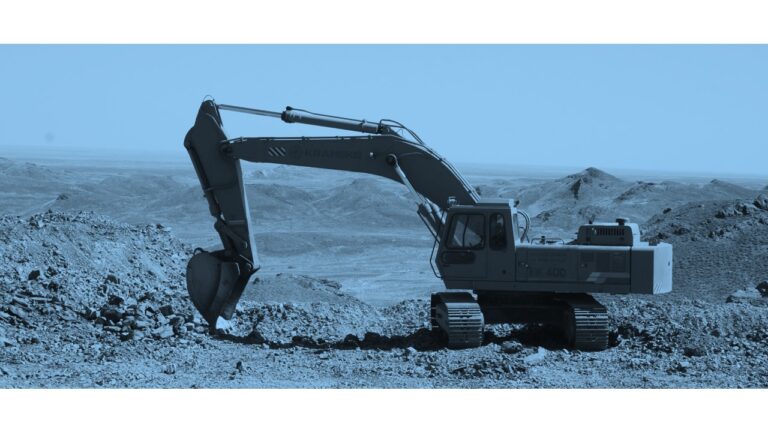
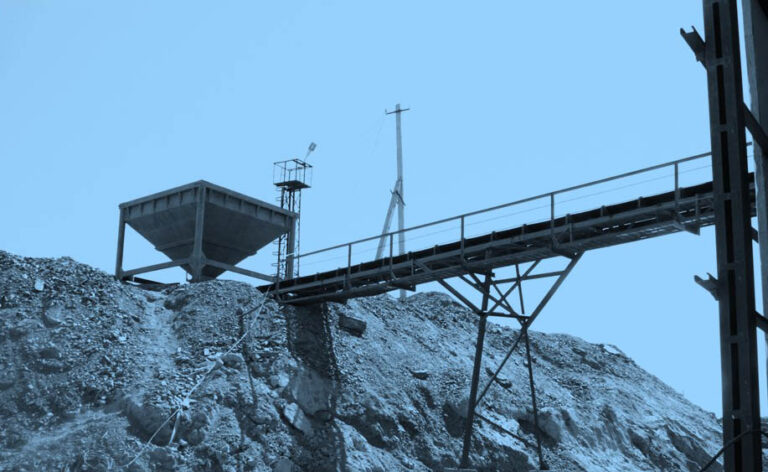
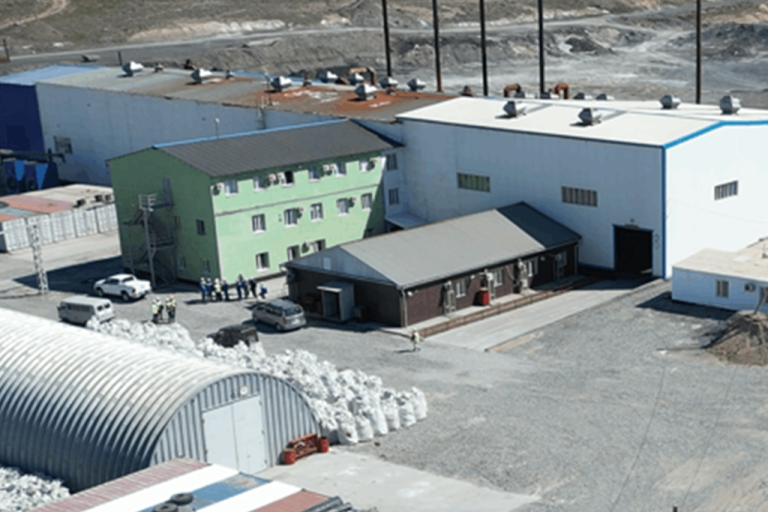
Ferro-Alloy Resources Ltd (LON:FAR) is developing the giant Balasausqandiq vanadium deposit in Kyzylordinskaya oblast of southern Kazakhstan. The ore at this deposit is unlike that of nearly all other primary vanadium deposits and is capable of being treated by a much lower cost process.