Vanadium is moving into sharper focus as energy systems shift towards higher shares of renewable generation and greater reliance on large-scale storage. While the mineral has long been used to strengthen steel in construction and infrastructure, its growing relevance to stationary battery technology is reshaping how investors assess its strategic value.
Historically, vanadium demand has been tied closely to steel production, where small additions of the metal enhance strength and durability. This end market remains important and provides a degree of baseline demand. However, a second demand stream is developing through vanadium redox flow batteries, a storage technology designed specifically for grid applications rather than transport or consumer electronics.
Flow batteries store energy in liquid electrolytes containing vanadium in different chemical states. Unlike lithium-ion batteries, where energy and power are linked within a fixed structure, flow systems separate the two. This allows storage capacity to be increased by expanding tank size without proportionally increasing power components.
As renewable penetration rises, the need for balancing capacity increases. Long-duration storage smooths supply fluctuations and improves reliability, particularly during peak demand periods. Vanadium-based systems are positioned within this structural shift, offering durability and long operating lives that align with infrastructure investment horizons.
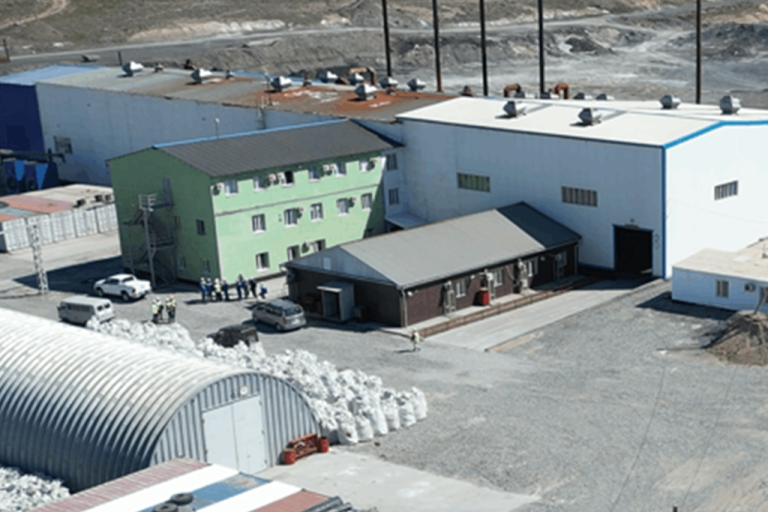
Ferro-Alloy Resources Ltd (LON:FAR) is developing the giant Balasausqandiq vanadium deposit in Kyzylordinskaya oblast of southern Kazakhstan. The ore at this deposit is unlike that of nearly all other primary vanadium deposits and is capable of being treated by a much lower cost process.