Vanadium is moving from a niche industrial input to a strategically relevant material within both construction and energy systems.
The core demand driver remains steel. Small additions of vanadium materially improve steel strength, durability and resistance to wear, allowing manufacturers to use less material while maintaining structural integrity. This makes vanadium-enhanced steel attractive for bridges, high-rise buildings, rail infrastructure and heavy equipment. As governments continue to prioritise transport networks, urban expansion and long-life public assets, the requirement for high-strength steel provides an underlying foundation for vanadium consumption.
The second leg of the story is energy storage. Vanadium redox flow batteries are designed for large-scale, stationary applications and are increasingly considered for grid balancing as renewable energy penetration rises. Unlike lithium-based systems, these batteries can deliver long-duration storage and extended operating life, characteristics that are particularly relevant for stabilising electricity networks with intermittent solar and wind generation. This gives vanadium exposure to policy-driven decarbonisation strategies and power system modernisation.
Steel provides scale and continuity. Energy storage introduces a potential growth vector that could become more material as regulatory frameworks and grid investment programmes expand. While battery demand remains smaller than steel consumption at present, it represents incremental upside rather than a replacement market.
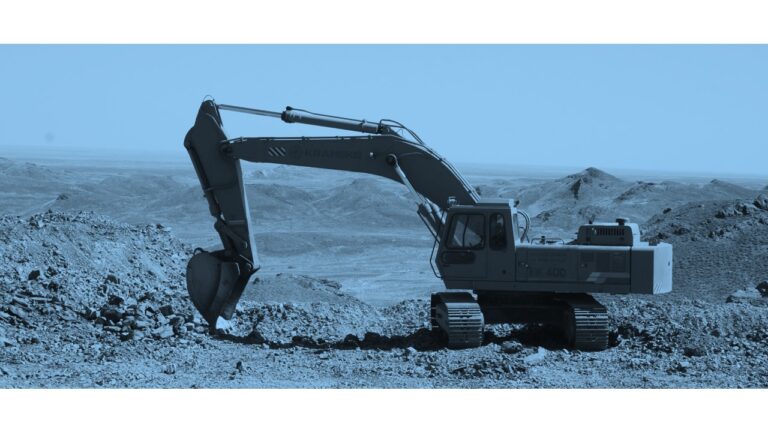
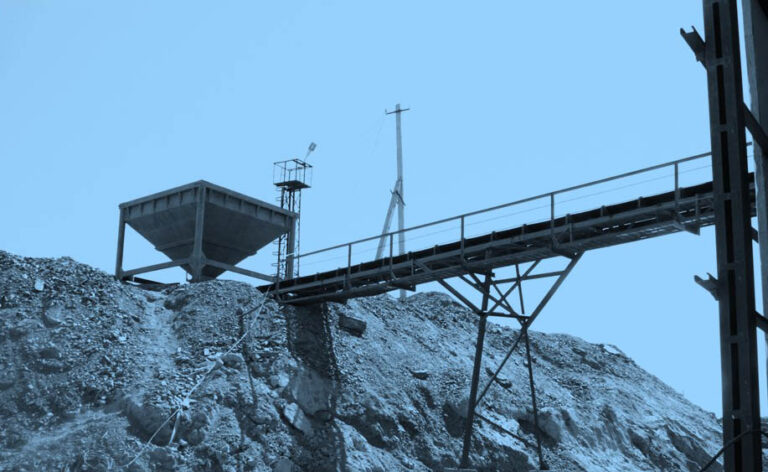
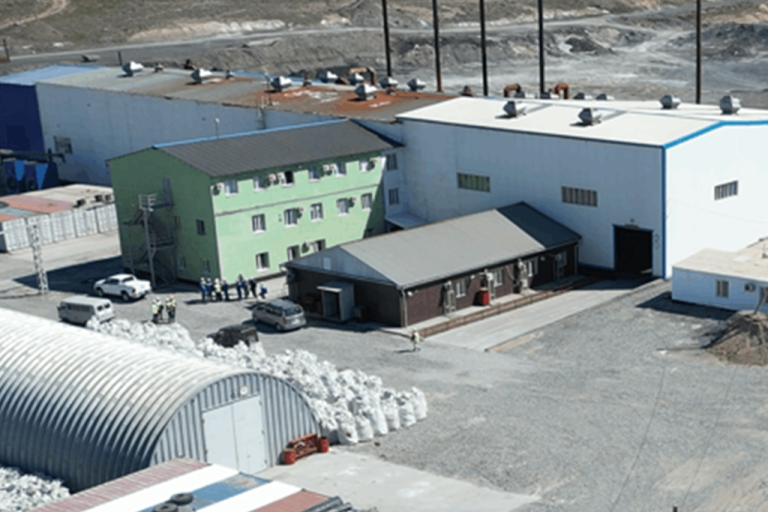
Ferro-Alloy Resources Ltd (LON:FAR) is developing the giant Balasausqandiq vanadium deposit in Kyzylordinskaya oblast of southern Kazakhstan. The ore at this deposit is unlike that of nearly all other primary vanadium deposits and is capable of being treated by a much lower cost process.