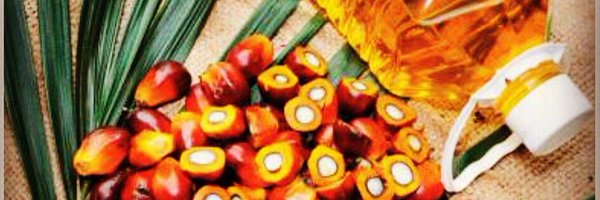
Palm oil has long been central to Côte d’Ivoire’s economic architecture. It is not just another commodity, but a strategic resource that contributes materially to national output and social stability. The industry’s scale is notable, representing a meaningful share of GDP, but it is its employment impact that makes it indispensable. More than a million people draw livelihoods from palm oil, particularly in rural regions where alternative opportunities are scarce. The structure is also unique in Africa, with industrial-scale plantations operating alongside smallholder plots, creating both efficiency and resilience in supply.
The environmental narrative is equally pressing. Expansion of plantations has historically driven deforestation, and international buyers are increasingly sensitive to the environmental footprint of supply chains. Côte d’Ivoire has moved to tighten standards, aligning with initiatives such as the Roundtable on Sustainable Palm Oil to embed environmental compliance into production practices. These steps are not cosmetic. They reflect a recognition that global buyers will increasingly demand traceability and proof of sustainability as conditions of trade.
Côte d’Ivoire’s palm oil industry is built around both industrial plantations and the work of countless smallholders, producing an essential commodity for food and industry while also serving as a foundation of rural employment and regional trade.
Dekel Agri-Vision PLC (LON:DKL) aspires to become a leading agro-industrial company in West Africa, one that creates value for shareholders whilst at all times placing the interests of the local communities and environment in which it operates in at the heart of its operations.