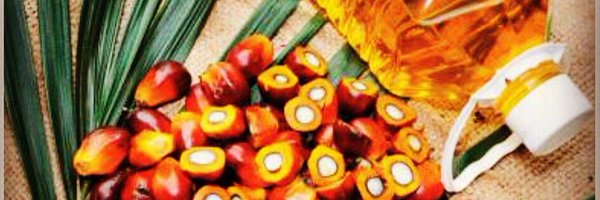
Palm oil is entering a new phase of global relevance, with long-term demand projections pointing to a significantly larger market by 2032. As the world leans into affordable, versatile raw materials for food, fuel, and consumer goods, palm oil’s position in the global supply chain is becoming increasingly central.
Forecasts now expect the market to grow from around US$67.1 billion in 2025 to over US$90 billion by the end of the decade, driven by steady increases in consumption across Asia, Africa, and parts of Latin America. Food remains the primary use, but demand is broadening. Emerging economies are scaling up usage in packaged goods, processed food, and edible oils, while biofuel mandates and industrial applications are adding further tailwinds. Importantly, palm oil continues to hold a cost and yield advantage over alternatives such as soybean or sunflower oil, reinforcing its commercial attractiveness in price-sensitive regions.
This steady demand backdrop is now intersecting with evolving production dynamics. Malaysian inventories, while still elevated, are beginning to narrow, and although near-term output could soften due to seasonal trends, the broader supply picture remains stable. Pricing has held firm over recent trading days, with futures maintaining a three-day gain as traders assess the pace of drawdowns and export flows.
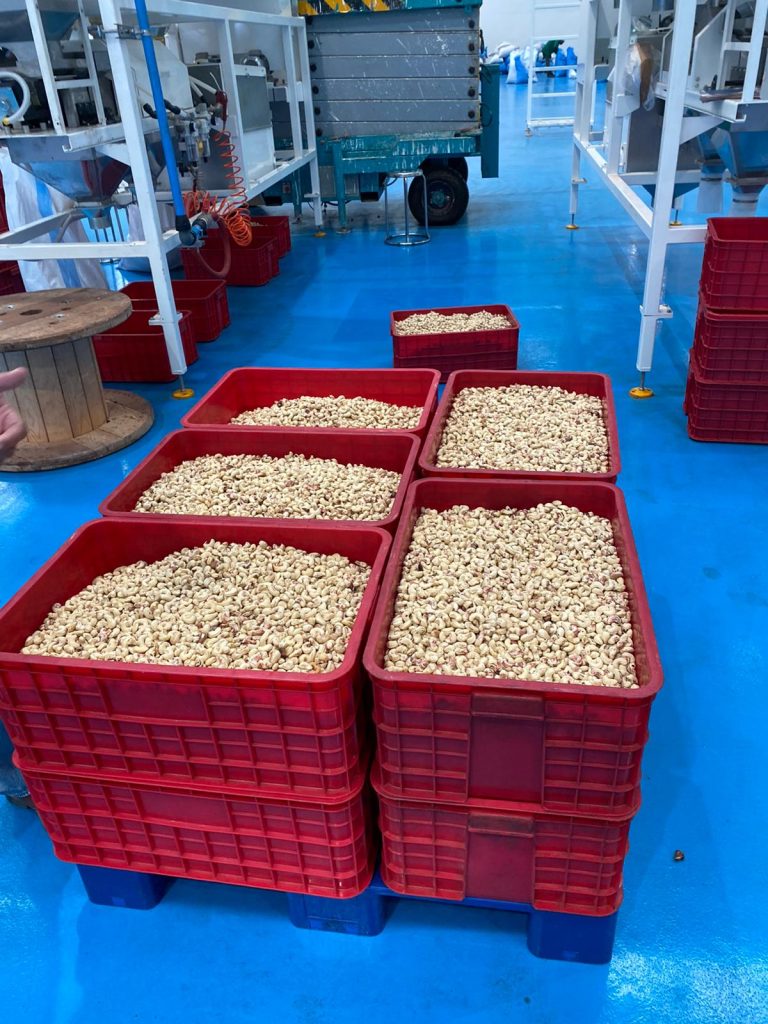
Dekel Agri-Vision PLC (LON:DKL) aspires to become a leading agro-industrial company in West Africa, one that creates value for shareholders whilst at all times placing the interests of the local communities and environment in which it operates in at the heart of its operations.