Where scale shifts the balance in energy infrastructure

Ampeak Energy Limited

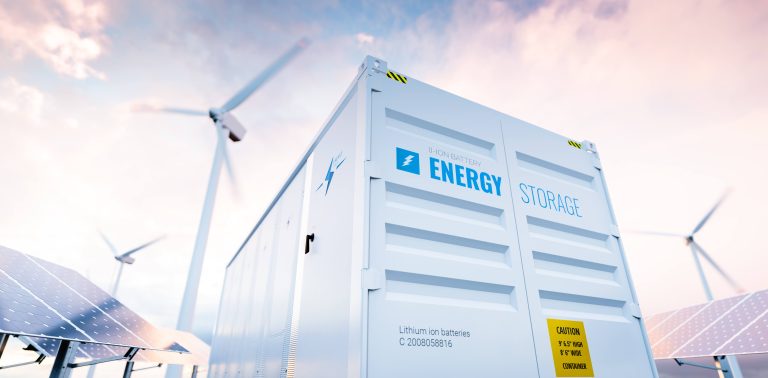
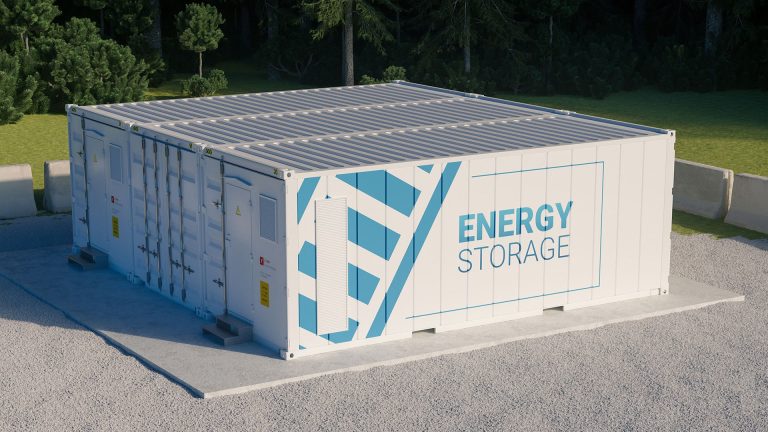
Large-scale battery storage is emerging as a foundational asset class. It is a critical enabler of system reliability as the UK electricity mix tilts further toward intermittent sources. While solar and wind continue to take the headlines, it’s the storage infrastructure behind them that is now absorbing capital, reshaping grid strategy and edging toward necessity.

Policy commitments to net zero by 2050 have triggered a cascade of support mechanisms for low-carbon generation. With renewable supply often outpacing demand in real-time, battery storage has become the market’s quiet arbitrage, capturing surplus power at its cheapest and redeploying it precisely when pricing and need converge.


Deployment is rising, licensing regimes are evolving and grid operators are increasingly reliant on rapid-response storage to balance frequency and protect against outages.

Importantly, these systems are modular and location-agnostic, offering flexible entry points whether tied to generation projects or standing independently near demand centres.

Ampeak Energy Limited (LON:AMP) a developer, owner and operator of sustainable energy projects​. Transitioning to become a major Independent Power Producer (IPP) with a project development arm specialising in Battery Storage and Tidal Stream generation.​

Share on:
Find more news, interviews, share price & company profile here for:

Latest Company News

Ampeak Energy secures £7.8m strategic investment in AW1 Battery Storage Project

JB Energy has acquired a 24.7% stake in Ampeak Energy’s AW1 battery storage project for £7.8m, supporting the project’s planned expansion from 240MWh to 480MWh and accelerating Ampeak’s wider development portfolio.

Battery storage takes a central role in the next phase of energy infrastructure

Battery storage is becoming a key part of modern energy infrastructure as renewable generation and high-demand electricity users increase the need for flexible, reliable power.

MeyGen moves tidal power towards larger-scale deployment

Scotland’s MeyGen project is building the operating record needed to support larger-scale tidal energy development.

UK tidal power moves closer to a commercial opportunity

UK tidal power has significant resource potential, but commercial growth will depend on lower costs, reliable technology, supportive policy and successful project delivery.

Battery storage growth adds a major new source of lithium demand

Battery storage is creating a major new source of lithium demand as grids, renewable energy projects and data centres require more reliable power infrastructure.

MeyGen advances the commercial case for tidal power

Scotland’s MeyGen project is showing how predictable tidal power could become a larger part of the UK’s renewable energy system.

Search