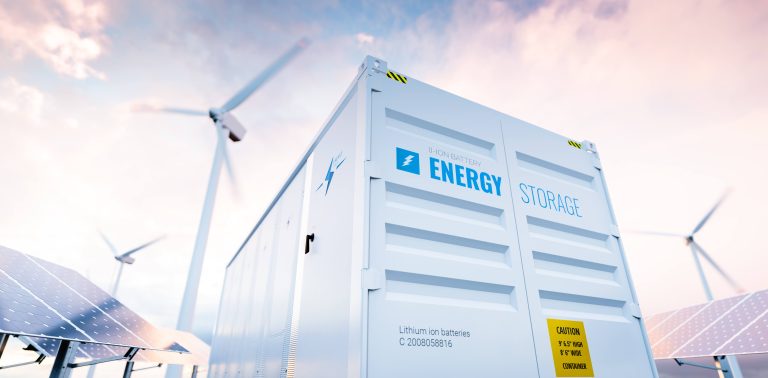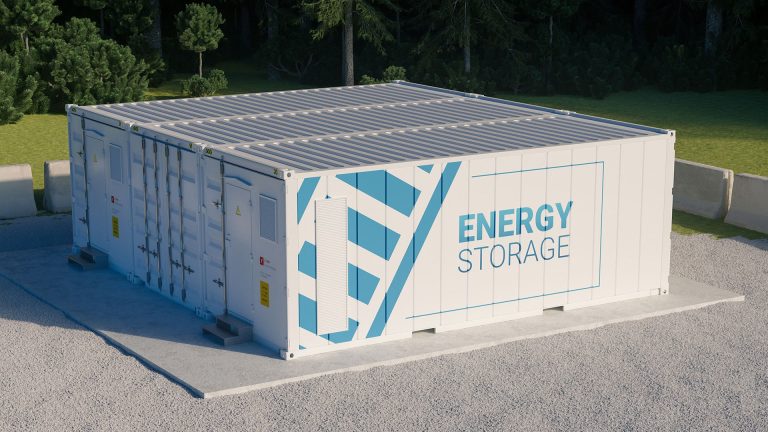
The global battery storage market is now projected to reach nearly US $100 billion by 2033, with a compound annual growth rate of just under 9 percent over the next eight years. As wind and solar continue to be deployed at pace, storage is increasingly being hard‑wired into the system, rather than bolted on as a later-stage balancing tool.
Battery systems are now being recognised as standalone infrastructure assets with multiple monetisation routes, rather than as dependent adjuncts to generation assets. The cost profile of lithium-ion systems has fallen considerably, while new policy frameworks in key markets such as Europe and the US have strengthened long-term revenue visibility for grid-scale storage projects.
The nature of the demand is also changing. Europe, for example, is forecast to increase its battery storage capacity five‑fold by 2030. The push is backed by regulatory shifts that favour flexible grid assets and by market incentives that reward storage for grid-balancing and ancillary services. Meanwhile, markets in Asia and Latin America are seeing accelerating adoption, reflecting a global pattern rather than one confined to OECD economies.
Ampeak Energy Limited (LON:AMP) a developer, owner and operator of sustainable energy projects. Transitioning to become a major Independent Power Producer (IPP) with a project development arm specialising in Battery Storage and Tidal Stream generation.