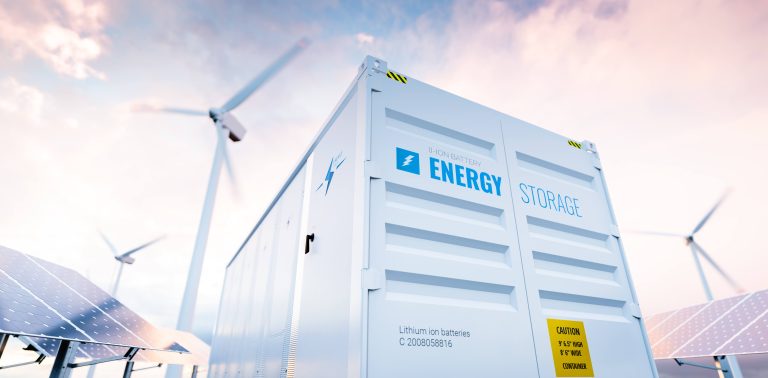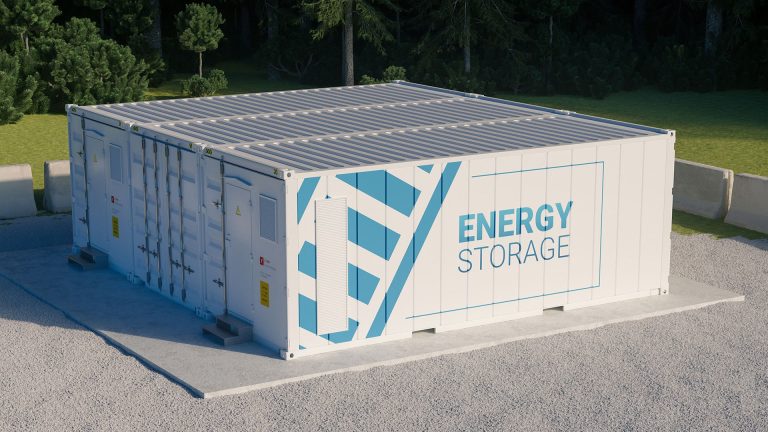
As wind and solar have scaled, so too have the questions around how to manage their variability. Energy flows when the sun shines and the wind blows, but demand follows its own curve. This mismatch has been the key structural challenge for clean energy. Battery energy storage systems are now solving that disconnect by unlocking new layers of grid reliability.
These systems enable time-shifting of renewable generation, allowing energy to be stored when production is high and dispatched when needed most. This isn’t a side feature, it’s fast becoming the main event. From an infrastructure perspective, it turns solar and wind from weather-dependent assets into controllable power resources, narrowing the reliability gap that has long favoured fossil fuels. The effect is systemic.
Costs have followed a familiar trajectory: scale brings efficiency. Lithium-ion batteries, especially lithium iron phosphate chemistries, have moved down the cost curve while improving on cycle life and safety — two factors that directly impact deployment economics. That has shifted the value proposition, making integrated renewable-plus-storage projects not only feasible but often financially superior to legacy generation, especially once peaking capacity or grid upgrade costs are factored in.
Ampeak Energy Limited (LON:AMP) a developer, owner and operator of sustainable energy projects. Transitioning to become a major Independent Power Producer (IPP) with a project development arm specialising in Battery Storage and Tidal Stream generation.