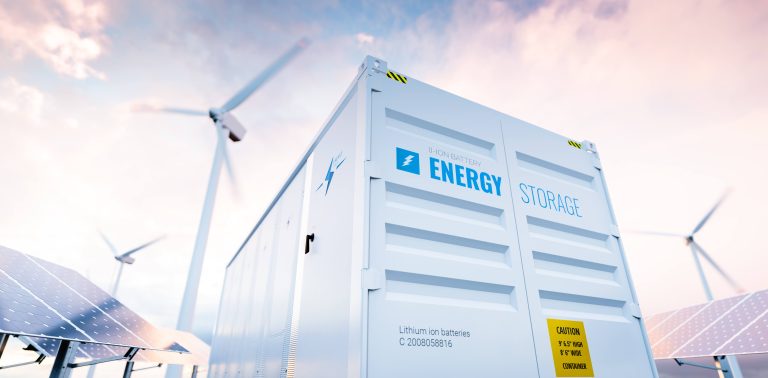
Battery energy storage systems are becoming far more economically viable than many had anticipated even just a year ago.
One of the most significant shifts is occurring at the capital cost level. The all-in cost of deploying utility-scale battery storage has been falling steadily, with system prices in some markets reaching levels that allow them to compete directly with flexible fossil generation on both cost and responsiveness. The technology itself has stabilised, and project delivery is becoming more predictable, allowing developers and financiers to model returns with greater confidence.
Whereas earlier deployments were focused narrowly on storing excess renewable power for later use, current market models are expanding into multiple grid services. Batteries can now generate income not only through energy arbitrage but also through frequency response, reserve markets, and capacity payments.
Europe’s focus on energy resilience has only sharpened the strategic importance of storage. Increased emphasis on domestic energy security, coupled with higher penetration of variable renewables, is accelerating demand for grid-stabilising assets. Companies like Ampeak Energy are positioning themselves to benefit from the structural role storage is set to play. With experience in optimising storage within broader grid operations, and the ability to integrate systems at scale, they are part of a cohort moving beyond pilot projects and into commercially bankable infrastructure.
Ampeak Energy Limited (LON:AMP) a developer, owner and operator of sustainable energy projects. Transitioning to become a major Independent Power Producer (IPP) with a project development arm specialising in Battery Storage and Tidal Stream generation.