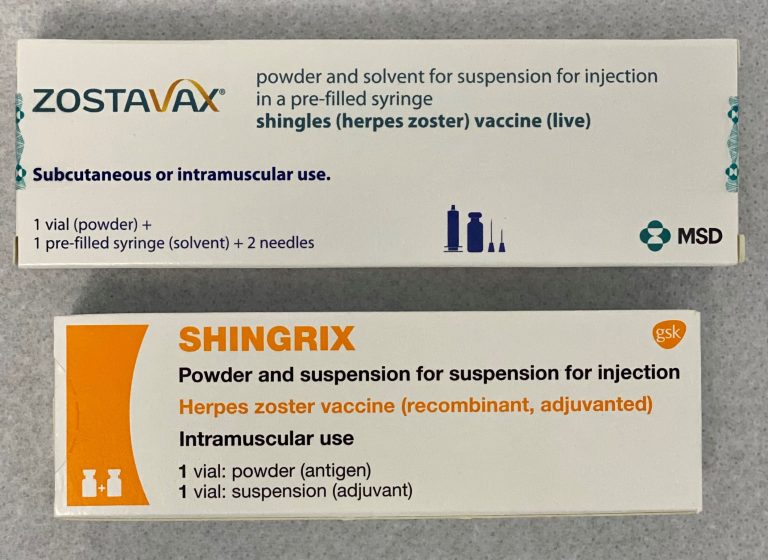
GSK plc (LSE/NYSE: GSK) has announced the European Commission’s (EC) approval of Shingrix (GSK’s Recombinant Zoster Vaccine or RZV) in a prefilled syringe. The current vaccine presentation comprises two vials, one with a lyophilised powder antigen and another with a liquid adjuvant. The lyophilised powder antigen requires reconstitution, where the suspension in the adjuvant vial is withdrawn and injected into the antigen vial. The new prefilled syringe simplifies the vaccine administration process for healthcare professionals by removing the need to undertake these steps prior to administration.
· Prefilled syringe offers healthcare professionals a convenient administration option
· New presentation will begin rolling out across EU countries in 2026
· Shingles affects approximately 1.7 million people in Europe each year,[1] with certain chronic conditions linked to a higher risk of shingles[2],[3]
Tony Wood, Chief Scientific Officer, GSK, said: “This new presentation of Shingrix has been designed to improve ease of administration, helping healthcare professionals to provide protection against shingles. Shingles is a painful disease that can have serious and long-lasting complications. It affects millions of people each year in Europe, often imposing a greater burden on people living with common chronic diseases such as cardiovascular disease and diabetes. GSK is proud to support the healthcare community by making administration of its shingles vaccine easier.”
This approval is based on data confirming technical comparability between the prefilled syringe and the existing vaccine presentation.[4] The new presentation does not involve a change in indication or dosing.
[1] Pinchinat et al. Similar herpes zoster incidence across Europe: results from a systematic literature review. BMC Infect Dis. 2013;13:170.
[2] Harpaz R, et al. Advisory Committee on Immunization Practices (ACIP), Centers for Disease Control and Prevention (CDC). Prevention of herpes zoster: recommendations of the Advisory Committee on Immunization Practices (ACIP). MMWR Recomm Rep. 2008;57(RR-5):1-30.
[3] Steinmann et al. Risk factors for herpes zoster infections: a systematic review and meta-analysis unveiling common trends and heterogeneity patterns. Infection. 2024;52(3):1009-1026. doi: 10.1007/s15010-023-02156-y. REF-224255.
[4] GSK. Data on file.