The manufacturing sector in the United Kingdom has entered 2025 in a position that reflects both consolidation and renewed momentum. Official data show that total output increased by £21 billion over the year, taking the value of goods produced to just under £639 billion. This expansion has occurred despite a reduction in the number of firms operating and a fall in overall employment, underscoring a period of structural adjustment rather than broad based expansion in capacity.
Five consecutive years of rising output indicate that the sector has adapted to persistent cost pressures and shifting demand patterns. Employment declined by more than 36,000 roles over the latest year, continuing a trend of rationalisation that has reshaped the workforce.
Performance across subsectors has not been uniform. Aerospace, pharmaceuticals, chemicals, machinery, metals and electrical equipment have contributed meaningfully to the uplift in output. These areas tend to benefit from long order cycles, export exposure and specialised capabilities, which can provide relative resilience during domestic slowdowns. In contrast, automotive production has weakened, illustrating the uneven impact of global demand shifts and sector specific challenges.
The UK Manufacturing Purchasing Managers’ Index compiled by S&P Global rose to its highest level in eighteen months in February, remaining comfortably above the threshold that signals expansion. New orders increased at a faster rate, with export demand providing particular support. Improved business confidence, especially in relation to overseas markets, has accompanied this trend.
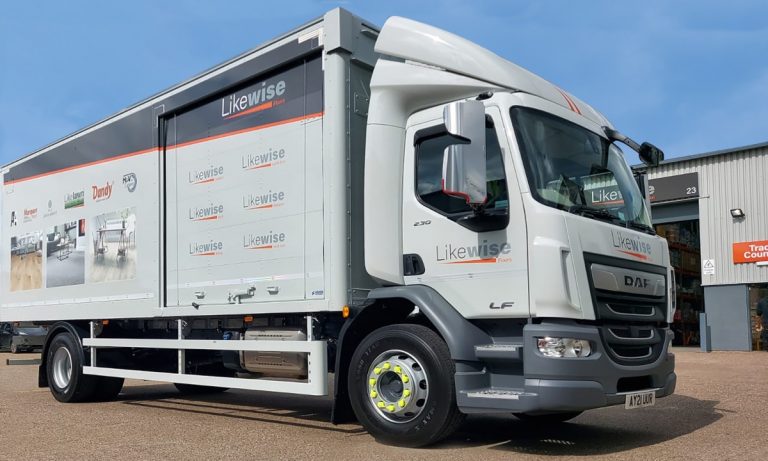
Likewise Group PLC (LON:LIKE) is a distributor of floorcoverings and matting and has the opportunity to consolidate the domestic and commercial floorcovering markets to become one of the UK’s largest distributors in this sector.