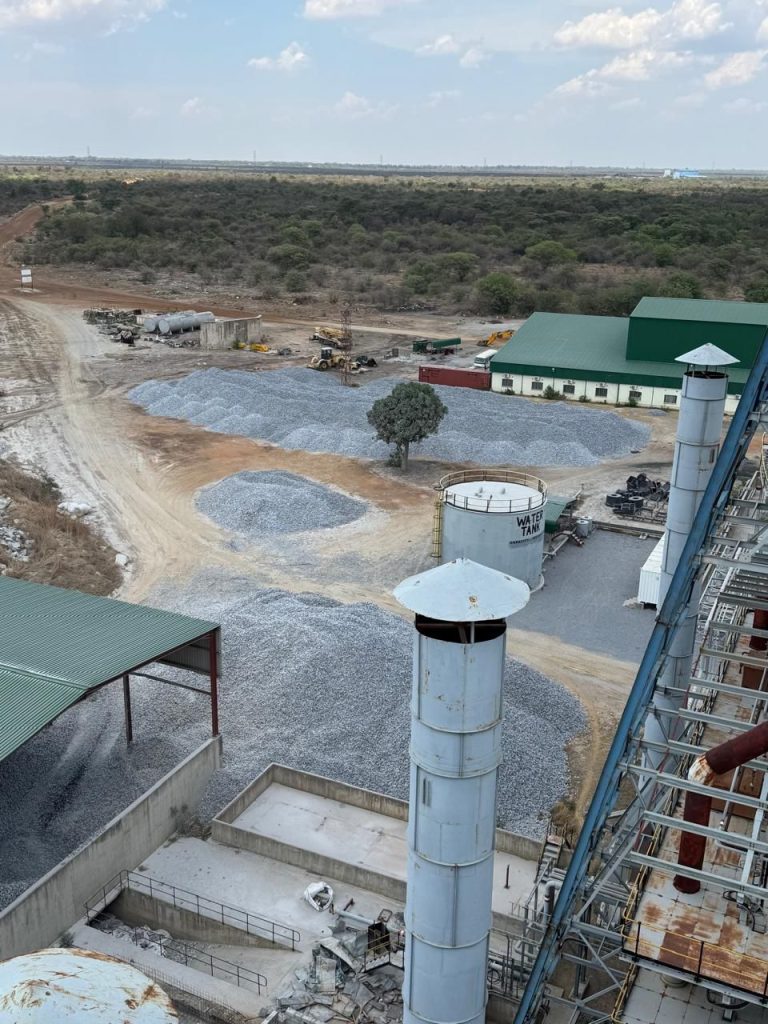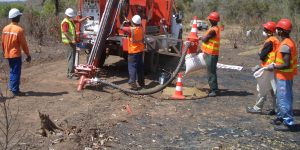
In Zambia’s Copperbelt, the limestone beneath Ndola, Kitwe and Chingola is gaining newfound prominence. No longer relegated to cement manufacture, its calciferous form, transformed into quicklime, is steadily becoming a lynchpin in copper production. As copper mines ramp up extraction, they are driving intense demand for quicklime, a multifaceted additive used to separate copper ore from rock, neutralise acid generated by sulfide minerals, and even function as a flux during smelting.
This trend has ushered in a wave of activity among suppliers. Existing quarry operations are expanding their footprints, while new entrants are emerging. London-listed Firering Strategic Minerals, operating under its Limeco Resources subsidiary near Lusaka, has just posted first shipments of high-purity quicklime and is investing heavily in upgrading kilns to boost capacity. Firms like Limestone Resources and Handyman’s Lime near Ndola and Chingola are likewise scaling rapidly, responding to the needs of copper mines that process approximately 100,000 tonnes of ore per day, requiring between 30 and 100 tonnes of quicklime daily, and potentially up to 3,000 tonnes per month.
Underlying this boom is Zambia’s broader mining landscape: the country accounts for roughly 70% of its export revenues from copper, with a 2022 production tally just over 760,000 tonnes, a figure expected to rebound as new tax incentives and regional EV battery supply chain deals take hold. Expansions across both underground and open-pit operations mean quicklime demand will likely retain its upward trajectory.
This rising demand has two primary investment implications. First, existing quarries endowed with high-purity limestone, such as those near Ndola, where the mineral deposit is both homogeneous and geologically extensive, are positioned to generate more consistent, long-term cash streams. These reserves offer a dependable base load to copper mining complexes that rely heavily on this mineral input. Second, new kiln capacity installations, currently underway at Limeco and in planning across other operators, represent low-profile but tangible infrastructure bets that align with the broader mining expansion, offering upside with minimal incremental exposure to commodity cycles.
For investors, the limestone-quarry story is a quiet play on ESG-enhanced, bottom-service infrastructure supporting global decarbonisation and electrification trends. Lime is essential to copper recovery, a mineral critical to power grids, EVs, and telecommunications. The sector’s durable demand stems from process necessity, not speculative intensity. That reduces volatility and shifts focus towards execution risk: ensuring kiln conversions proceed on time and product quality meets metallurgical specs.
Longer term, operators with on-site limestone reserves adjacent to mining hubs enjoy structural cost advantages. Even as energy and freight costs rise globally, proximity to demand centres, together with upgrades to kiln efficiency—can generate margin differential compared with distant or low-grade deposits. That may underpin a case for selecting nimble juniors or mid-cap players positioned as low-cost quicklime producers over bulk cement-style miners.
In macroeconomic terms, rising quicklime volumes signal an often-overlooked ripple of the copper cycle. While commodity prices capture headlines, it’s the ancillary industries, lime, grinding media, spare parts, that quietly lock in the real cost and resilience of production systems. Investors alert to these ripple effects may uncover opportunities in an industrial ecosystem that remains deeply tied to broader electrification-driven demand, but seldom subject to the volatility of price-speculative loops.
Quicklime may not make flashy headlines, but within the Copperbelt mining context it is a behind-the-scenes enabler of nearly every tonne of copper produced. By converting abundant limestone reserves into a strategic input, essential for extraction, processing and equipment longevity, the region is unlocking a lower-risk, infrastructure-based value stream. And in an era defined by supply chain scrutiny and electrification momentum, that kind of quiet strategic positioning could matter more than ever.
Zambian limestone producers supply quicklime for copper flotation, acid neutralisation and smelting processes; operators are scaling up kiln capacity near Ndola, Kitwe and Chingola to meet surging demand.
Firering Strategic Minerals plc (LON:FRG) is an emerging quicklime producer and critical minerals explorer, with operations in Zambia and West Africa.