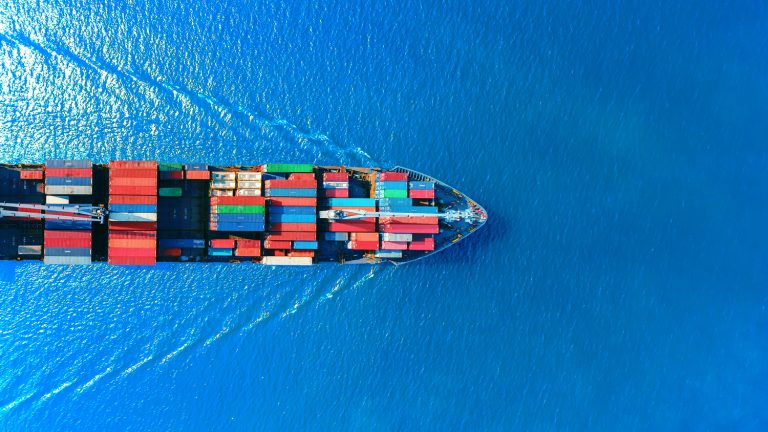
Maritime propulsion is entering a pivotal phase as the industry moves to comply with tougher emissions rules. Investment is now being directed into a range of alternative fuels, each with different implications for cost, complexity, and long-term viability.
- Liquefied natural gas has emerged as a widely adopted transitional option. It offers clear emissions benefits compared to heavy fuel oil, particularly in reducing sulphur and nitrogen oxides.
- Biofuels are appealing because they offer the potential to reduce emissions without major engine modifications. Many can be used in blends with conventional fuels, making them a practical choice for retrofitting existing fleets. When derived from waste or renewable sources, biofuels can be close to carbon-neutral, but the actual emissions profile depends heavily on how the feedstock is grown and processed.
- Hydrogen presents a longer-term solution with zero carbon emissions at point of use, particularly when used in fuel cells.
- Ammonia is being explored as a zero-carbon option with higher energy density than hydrogen and more manageable storage.
- Methanol is easier to handle than other alternative fuels because it is liquid at ambient temperatures. It produces lower emissions than marine gas oil and can be made from renewable sources.
Infrastructure, engine systems and bunkering networks are all being reshaped around new fuel types, and those shifts will reward early positioning across both energy and maritime assets.
Quadrise plc (LON:QED) is an energy technology provider whose solutions enable production of cheaper, cleaner, simpler and safer alternatives to fuel oil and biofuels, proven in real world applications. Quadrise technologies produce transition fuels called MSAR® and bioMSAR™, which allow clients in the shipping, utilities and industrial sectors to reduce carbon emissions whilst also saving costs.