BESS: A practical route into the energy transition

Ampeak Energy Limited

Battery energy storage systems are moving from niche infrastructure to a central feature of modern power markets. As renewable generation expands and electricity demand becomes more volatile, storage is increasingly seen as an enabling technology rather than an optional enhancement.

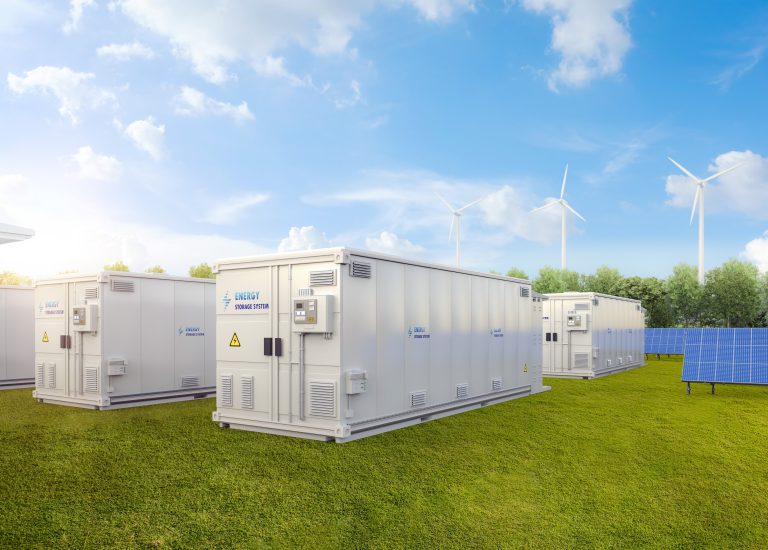
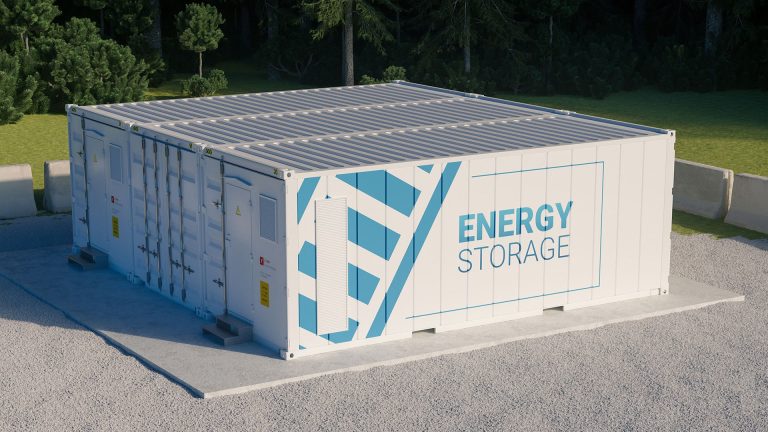
At its core, a battery energy storage system stores electricity and releases it when required. This function is particularly valuable in systems with a growing share of intermittent generation such as solar and wind. By shifting energy from periods of surplus to periods of peak demand, storage assets can help balance supply and demand while reducing reliance on conventional peaking generation. In addition to energy arbitrage, where operators buy electricity at lower prices and sell at higher ones, systems can participate in frequency response and other balancing services. This layered revenue model has the potential to improve asset utilisation and diversify cashflow.

The performance of a storage project depends on battery chemistry, energy management systems and integration with wider infrastructure. As the sector evolves, improvements in monitoring and control software are enhancing efficiency and lifecycle management.

Ampeak Energy Limited (LON:AMP) a developer, owner and operator of sustainable energy projects​. Transitioning to become a major Independent Power Producer (IPP) with a project development arm specialising in Battery Storage and Tidal Stream generation.

Share on:
Find more news, interviews, share price & company profile here for:

Latest Company News

Ampeak Energy secures £7.8m strategic investment in AW1 Battery Storage Project

JB Energy has acquired a 24.7% stake in Ampeak Energy’s AW1 battery storage project for £7.8m, supporting the project’s planned expansion from 240MWh to 480MWh and accelerating Ampeak’s wider development portfolio.

Battery storage takes a central role in the next phase of energy infrastructure

Battery storage is becoming a key part of modern energy infrastructure as renewable generation and high-demand electricity users increase the need for flexible, reliable power.

MeyGen moves tidal power towards larger-scale deployment

Scotland’s MeyGen project is building the operating record needed to support larger-scale tidal energy development.

UK tidal power moves closer to a commercial opportunity

UK tidal power has significant resource potential, but commercial growth will depend on lower costs, reliable technology, supportive policy and successful project delivery.

Battery storage growth adds a major new source of lithium demand

Battery storage is creating a major new source of lithium demand as grids, renewable energy projects and data centres require more reliable power infrastructure.

MeyGen advances the commercial case for tidal power

Scotland’s MeyGen project is showing how predictable tidal power could become a larger part of the UK’s renewable energy system.

Search