Regulatory frameworks such as GDPR, NIST and ISO offer organisations a structured starting point to identify minimum control standards. These benchmarks remain vital, particularly as boards face mounting scrutiny and regulatory penalties grow more severe. But while compliance helps ensure organisations do not fall short of legal or contractual obligations, it does little to uncover emerging threats or prioritise responses based on real-world risk exposure. For that, companies need a more integrated approach that treats compliance as the beginning of a broader capability.
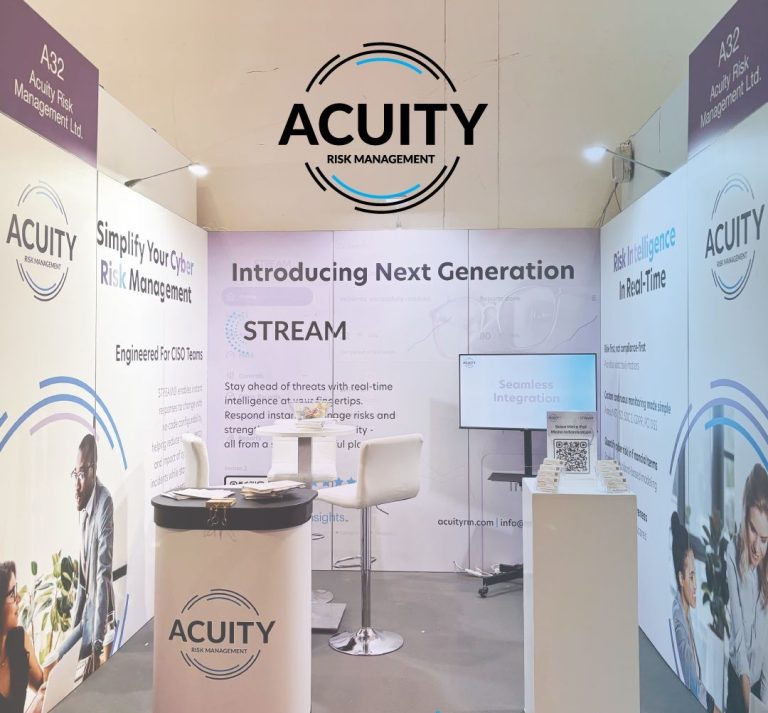
Acuity Risk Management frames this shift through a layered model of compliance, risk and resilience. The first layer ensures that all regulatory requirements are met, giving stakeholders confidence that essential systems and controls are in place. From there, companies must identify where their actual vulnerabilities lie, assess the likelihood and impact of risk scenarios, and allocate resources accordingly. The final layer, resilience, demands continuous oversight, real-time data, and the flexibility to adapt controls as threats and regulations evolve.
Companies operating solely at the compliance layer may appear secure on paper but often lack visibility into how risk is changing or where new exposures may be developing. This can lead to a false sense of security, with risks only surfacing after a disruption has already occurred.
Acuity RM Group Plc (LON:ACRM) through its wholly owned subsidiary, Acuity. Acuity is an established provider of risk management services.