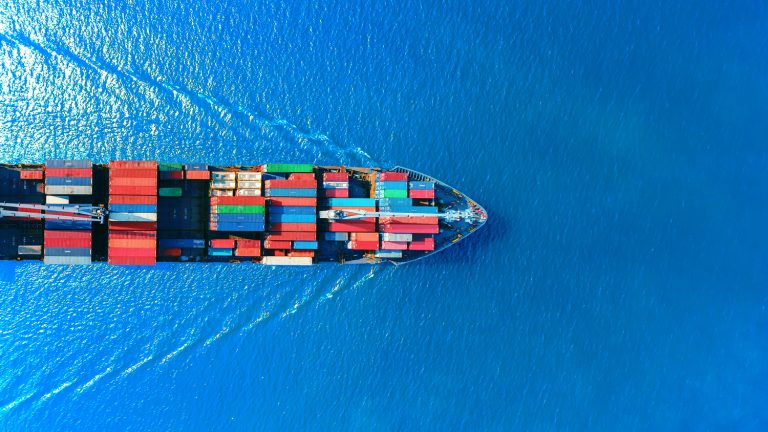
The global drive to decarbonise shipping is not waiting for a unicorn fuel. For owners and operators, the calculus must shift from longing for a ‘perfect’ zero‑carbon fuel to pragmatically deploying today’s available options and design flexibility for tomorrow. The reality is that fuels such as green ammonia, methanol, biofuels, hydrogen or LNG, while imperfect on their own, each deliver incremental reductions in emissions and, perhaps more importantly, create a pragmatic transitional path.
The scale of global shipping, regulatory pressures, and the long lifespan of vessels mean that postponing fuel conversion until a hypothetical ideal fuel becomes widely available could lock companies into carbon‑heavy assets for decades. Instead, shipowners should be investing in dual‑ or multi‑fuel‑ready vessels, blending already viable lower‑carbon options with an architecture that allows pivoting when supply chains mature or regulations tighten.
Technically, each alternative offers trade‑offs. For example, liquefied natural gas (LNG) is already supported by an expanding bunkering infrastructure and a growing fleet of dual‑fuel ships. Meanwhile methanol or ammonia promise deeper decarbonisation potential long‑term, especially if produced from renewable feedstocks. Biofuels provide an immediate albeit modest emissions reduction and can leverage existing engine and fuel supply systems.
Quadrise plc (LON:QED) is an energy technology provider whose solutions enable production of cheaper, cleaner, simpler and safer alternatives to fuel oil and biofuels, proven in real world applications. Quadrise technologies produce transition fuels called MSAR® and bioMSAR™, which allow clients in the shipping, utilities and industrial sectors to reduce carbon emissions whilst also saving costs.