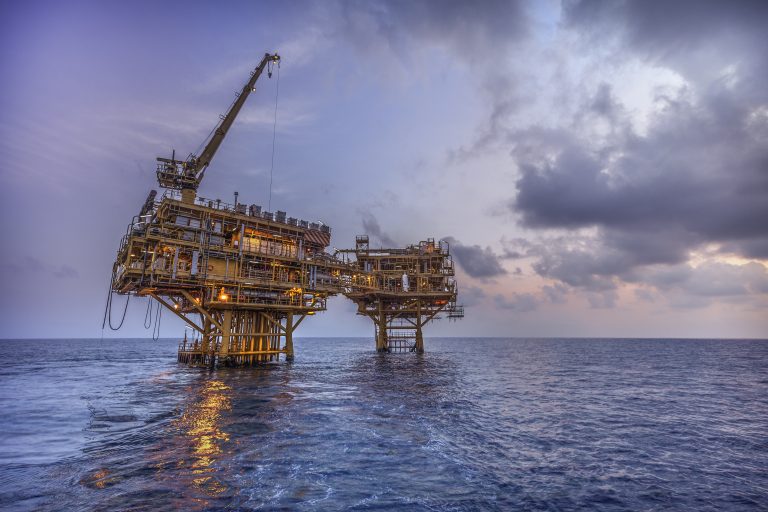
The rise of artificial intelligence is redefining global infrastructure, but nowhere is its impact more immediate than in America’s energy grid. As AI data centres multiply and mature, they are forcing a radical rethink in power procurement—and one fuel source is seizing the spotlight. Natural gas is emerging as the essential backbone for AI-driven compute growth, offering a stable, scalable solution in a power-hungry race the United States cannot afford to lose.
AI’s explosive acceleration is creating a seismic energy challenge. With US data centre demand forecast to jump by up to 132 gigawatts by 2029, accounting for as much as 12 percent of total national consumption, the industry faces a reckoning. Electricity-hungry GPUs, intensive training workloads, and enormous cooling requirements are transforming these facilities into energy super-consumers. According to Berkeley Labs, this demand could dwarf expectations, pushing the energy system toward its limits in just a few years.
This challenge is converging with a supply problem. Despite the tech industry’s history of leading on renewables, clean baseload power solutions simply aren’t mature or scalable enough to satisfy the speed and intensity of AI-driven demand. Natural gas, however, is. It is flexible, fast to deploy, and already deeply integrated across America’s vast energy infrastructure. As AI demand surges, it is quickly becoming the only viable option for powering this new industrial revolution.
AI models such as OpenAI’s ChatGPT-4 illustrate the magnitude of energy demand. Training the system consumed an estimated 50GWh—fifty times more than its predecessor. Despite some progress in model efficiency, like China’s DeepSeek, experts caution that such breakthroughs may be limited in scope and unlikely to meaningfully dent overall demand. Benjamin Lee of the University of Pennsylvania notes that DeepSeek’s purported efficiency gains may only apply to narrow computational tasks, and may still rely on Western AI models, casting doubt on the credibility of their claims.
With AI projected to account for 70 percent of new data centre capacity by 2030, demand-side pressure is mounting fast. Think tank Rand warns that maintaining a leadership position in global AI computing would require the US to allocate 51GW to data centres by 2027. The only energy source currently able to meet such needs at scale and speed is natural gas. Its ability to ramp quickly, operate at high capacity, and integrate into the existing grid gives it a unique advantage in addressing both short-term spikes and long-term growth.
Utilities across high-growth regions such as the Carolinas, Georgia, and Virginia are responding. Many have announced plans to add 20GW of new gas-fired generation by 2040, with two-thirds directly tied to data centre expansion. As RPower COO Jamie Smith puts it, the conversation has shifted from prioritising renewables to simply securing enough reliable energy. Natural gas now sits at the centre of this recalibration.
The political landscape is also aligning. With Donald Trump pledging to accelerate natural gas development and regulatory environments easing, midstream gas companies are seizing the opportunity. These firms, which handle transportation and processing, are scaling their networks to capitalise on booming data centre demand.
One of the most significant evolutions is occurring off the grid. Data centres are increasingly bypassing traditional utilities and colocating with natural gas producers. This model offers lower costs, streamlined permitting, and secure long-term power—a compelling value proposition for AI developers. Texas, already the top gas-producing state, is emerging as an off-grid powerhouse. Its pro-business environment and abundant infrastructure are drawing both AI start-ups and industry giants.
Projects like the Texas Critical Data Centers joint venture, which is building a 250MW facility in the Permian Basin, are leading this trend. CEO Will Gray of New Era Helium highlights the unmatched cost and scalability advantages of colocating with gas production. Similarly, TensorWave and Duos Technologies are pursuing off-grid growth strategies that unlock new regional opportunities while maintaining energy security.
Even major players are following suit. The Stargate data centre in Abilene, Texas, will operate on an off-grid gas plant, supplemented by renewable energy. Oil giants such as ExxonMobil and Chevron have also announced plans to develop gas-powered data centre infrastructure, signalling a broad and irreversible shift in how data centres secure their energy.
This off-grid evolution is cementing natural gas as the foundational fuel for AI infrastructure. While renewable ambitions remain, the reality is that data centres need power now, not years from now. For both investors and operators, the message is clear: the AI boom is driving a generational surge in energy demand, and natural gas is the indispensable engine powering its ascent.
Valeura Energy Inc (TSX:VLE) is an upstream oil & gas company, with a clear strategy to add value for shareholders. The Company has a strong balance sheet positioning it for potential inorganic growth opportunities in the near/medium-term, and substantial longer-term upside potential through an operated deep, tight gas play.