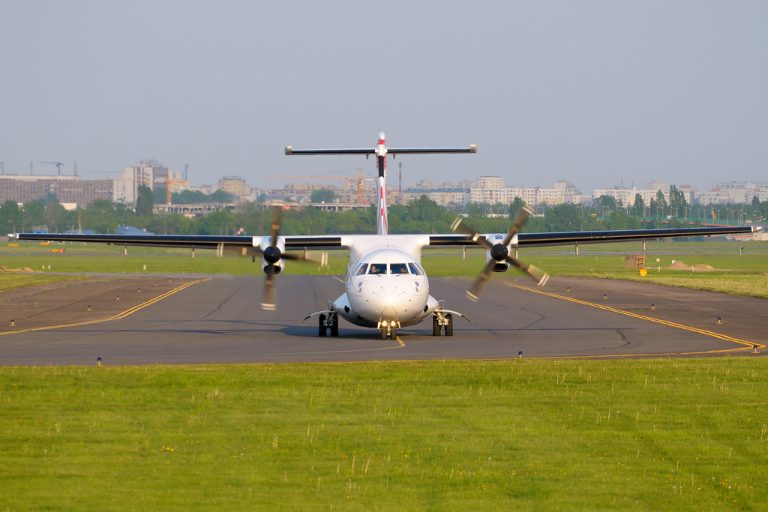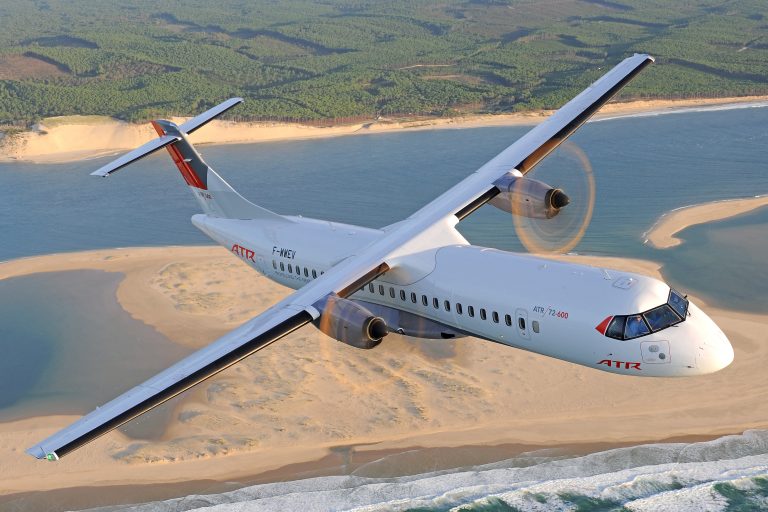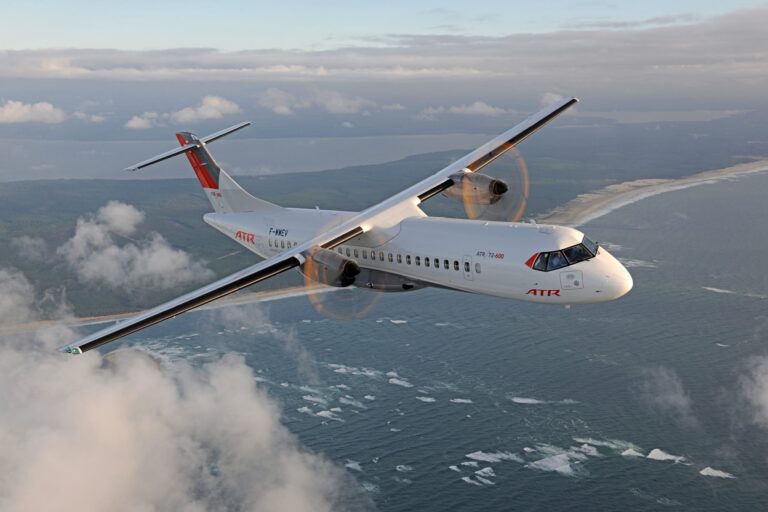
ATR is focused on solving a simple but persistent problem in global aviation: millions of people still live in places that are too small, too remote or too difficult to reach for most airlines to serve. These are entire regions with limited access to jobs, education, healthcare and trade. Where others scale up, ATR scales down. The company builds aircraft designed specifically to operate in these environments, where short runways, rough conditions and low passenger numbers are the norm.
Its turboprops are engineered for one thing: reliable, low-cost performance on short routes. They use nearly half the fuel of similar-sized jets, which gives operators a cost base that works even on low-yield services. That fuel efficiency is not just an environmental benefit, it is what allows these routes to exist in the first place. Without it, most would be commercially unviable.
This is not a niche strategy. It targets the growing demand for local and regional air links in countries where ground transport is poor or impractical. In island nations, mountainous regions and rural economies, flying remains the only reliable way to move people and goods. ATR aircraft can land on short, rugged runways with minimal ground infrastructure. That opens hundreds of destinations that would otherwise be unreachable.
Avation PLC (LON:AVAP) is a commercial passenger aircraft leasing company owning a fleet of aircraft which it leases to airlines across the world. Avation’s future focus are new technology low CO2 emission aircraft.