Vanadium has long been used to strengthen steel. Around 90% of global demand still comes from that sector, where small amounts added to steel deliver major performance gains in terms of strength, weight reduction, and resistance to wear. This established industrial role has kept vanadium prices and production closely tied to construction and infrastructure cycles.
Unlike lithium-ion batteries, which are designed for short bursts of high energy, vanadium flow batteries operate differently. They store energy in a liquid electrolyte, use the same element on both sides of the battery, and can charge and discharge for decades with minimal degradation. This makes them well suited for storing renewable energy, where long-duration discharge is often more valuable than rapid cycling.
These systems are already being deployed in regions with high renewable penetration, where grid operators require storage that is safe, scalable, and long-lasting. Vanadium flow batteries do not carry thermal runaway risk, are highly recyclable, and operate without relying on scarce or volatile raw materials. That makes them a practical alternative in large stationary setups where safety and reliability take priority over compact design.
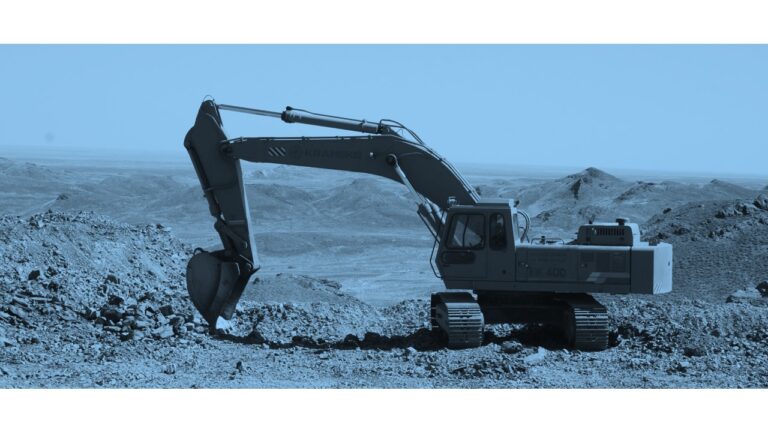
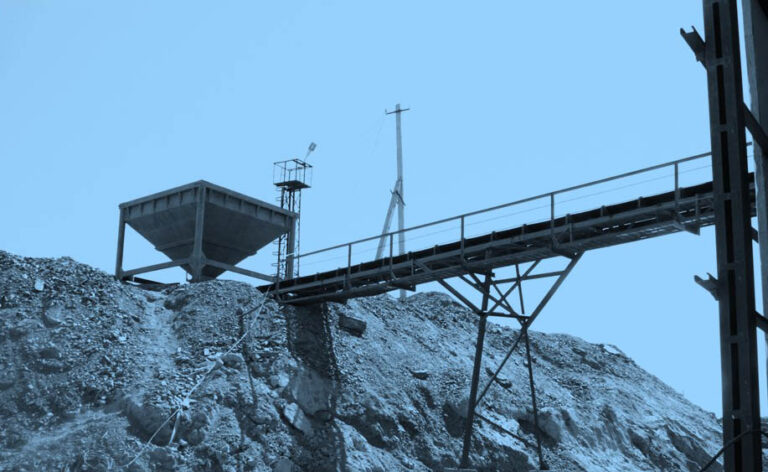
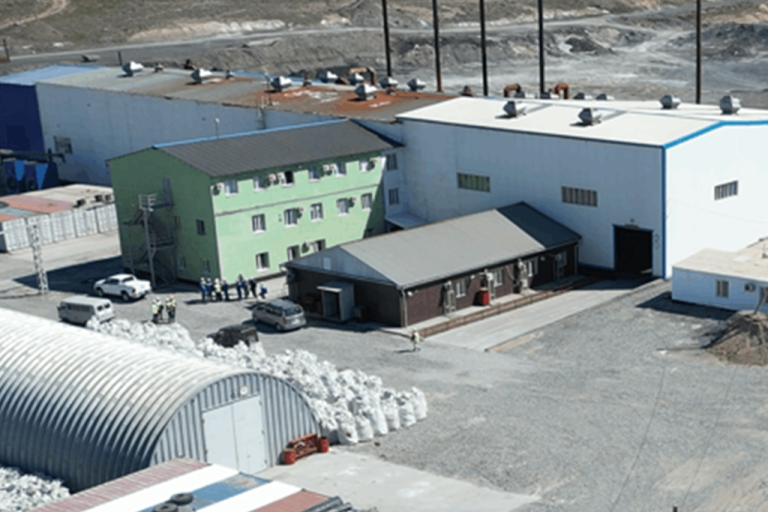
Ferro-Alloy Resources Ltd (LON:FAR) is developing the giant Balasausqandiq vanadium deposit in Kyzylordinskaya oblast of southern Kazakhstan. The ore at this deposit is unlike that of nearly all other primary vanadium deposits and is capable of being treated by a much lower cost process.