Hydrogen and helium are rarely the starting point for exploration. Historically treated as incidental finds or lab inputs, both are now being taken seriously as standalone natural resources. That shift has everything to do with commercial relevance, supply constraints, and emerging energy priorities.
Natural hydrogen is drawing interest as a potential zero-emission energy source that, unlike manufactured hydrogen, requires no carbon-intensive input or electrolysis. Found in specific geological settings, it forms through natural processes like rock-water reactions or radioactive decay. The result can be hydrogen accumulations that migrate through faults or become trapped in subsurface structures, not unlike hydrocarbons, but far less understood.
Helium, on the other hand, is already a high-value industrial gas with few substitutes. Used in medical imaging, semiconductors, aerospace and quantum computing, its demand is steady and global. Its supply, however, is tight and geographically concentrated, with known reserves often linked to conventional gas production. Discovering naturally occurring helium in viable concentrations outside those traditional areas has become a strategic priority.
Governments and explorers, particularly in underexplored regions, are reassessing legacy data to identify where these gases might be found at scale.
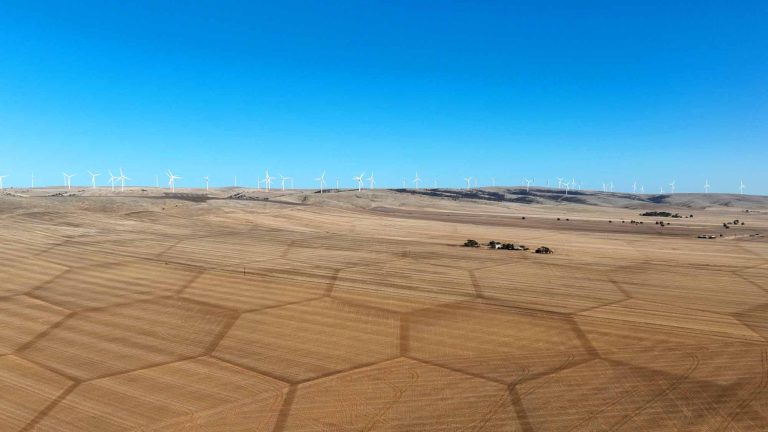
Thor Energy PLC (LON:THR) is a leading exploration company focused on natural hydrogen and helium, with a significant footprint in the highly prospective South Australian region.