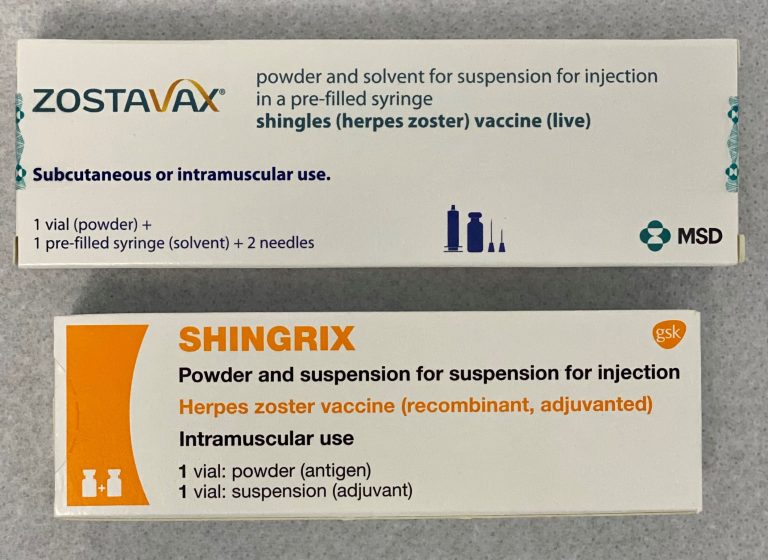
GSK plc (NYSE: GSK), a stalwart in the healthcare sector, continues to attract the attention of investors with its diverse portfolio and a strong presence in the global pharmaceutical landscape. With a market capitalization of $100.44 billion, GSK stands as a major player in the drug manufacturing industry, primarily focused on vaccines, specialty, and general medicines. Headquartered in London, the company operates across the United Kingdom, United States, and internationally, showcasing its extensive reach and influence.
The company’s current stock price of $49.63 sits at the upper end of its 52-week range of $32.08 to $49.63, indicating a period of robust growth. This performance is underscored by a notable 6.70% revenue growth, reflecting GSK’s ability to capitalize on its diversified product offerings and strategic partnerships, such as its collaboration with CureVac for mRNA vaccines and its alliance with AN2 Therapeutics for TB therapies. These initiatives highlight GSK’s commitment to addressing pressing global health challenges.
Investors are particularly drawn to GSK’s impressive Return on Equity (ROE) of 41.52%, a metric that underscores the company’s efficiency in generating profits from its equity base. This high ROE, coupled with a healthy free cash flow of approximately $3.75 billion, provides GSK with the financial flexibility to continue investing in research and development, as well as strategic acquisitions and collaborations.
From a valuation standpoint, GSK’s forward P/E ratio of 10.65 suggests that the stock may be undervalued relative to its earnings potential, especially in an industry where innovation and new product pipelines are critical. However, the lack of trailing P/E and PEG ratios indicates some uncertainty about historical earnings and growth expectations, which investors should consider when evaluating long-term investment potential.
GSK’s dividend yield of 3.40% is attractive to income-focused investors, supported by a sustainable payout ratio of 47.40%. This indicates that GSK is returning a significant portion of its earnings to shareholders while retaining enough capital to fuel future growth initiatives.
Analyst sentiment towards GSK is mixed, with the stock receiving 2 buy ratings, 5 hold ratings, and 1 sell rating. The target price range of $40.00 to $58.00, with an average target of $49.35, suggests limited upside potential from current levels, with a potential downside of 0.57%. This cautious outlook may reflect concerns about competitive pressures and the broader economic environment impacting the healthcare sector.
Technically, GSK’s stock is trading above both its 50-day moving average of $47.55 and its 200-day moving average of $41.27, indicating a positive trend. The Relative Strength Index (RSI) of 58.53 places the stock in a neutral position, suggesting it is neither overbought nor oversold. The MACD of 0.53, slightly below its signal line of 0.55, indicates a stable momentum that investors may find reassuring.
While GSK’s current valuation metrics present a mixed picture, the company’s strategic focus on high-demand therapeutic areas and its strong financial metrics, such as ROE and cash flow, provide a solid foundation. Investors considering GSK should weigh these strengths against market conditions and competitive dynamics, keeping an eye on future earnings reports and strategic announcements that may influence the stock’s trajectory.