Marks & Spencer (LON: MKS) is making significant strides as it continues its transformation journey, with encouraging signs across its food and fashion businesses. According to the latest research note by Shore Capital, following a management meeting with institutional investors, the retailer is starting 2026 on a solid footing, with a positive trajectory expected in both earnings and shareholder returns.
The Shore Capital team, led by analysts Dr Clive Black and Darren Shirley, highlighted that “this reassures us around short-term earnings delivery, with, we believe, much progress to come through around key planks of its growth strategy.” Their outlook is rooted in M&S’s strategic focus on expanding its food store footprint, growing online fashion sales, and modernising its operational infrastructure.
M&S’s food division continues to shine. Shore Capital noted that “further share gains were noted in the UK grocery market, with steady recovery coming through in fashion too, more so perhaps online than in-store in a late and highly promotional festive period.” The food offering has resonated well with British shoppers, and larger store formats—over 20,000 square feet—are performing above expectations, positioning M&S for long-term gains in market share.
A renewed emphasis on online fashion is also beginning to pay off. The analysts observed: “The warmth to new lines seems to be across the categories,” reflecting strong consumer uptake of M&S’s refreshed clothing ranges. This is underpinned by a modernisation of the supply chain and investment in data and technology. The anticipated spring 2026 relaunch of the SPARKS loyalty programme, with a focus on personalisation rather than discounts, adds further excitement.
Management’s commitment to improving margins in online Fashion, Home & Beauty (FH&B) is also clear. Shore Capital wrote: “M&S may just yet be on that journey towards online FH&B margins building from the c.7%…and converging towards the c.13% in-store return on sales,” a shift that could provide room for reinvestment and enhanced profitability.
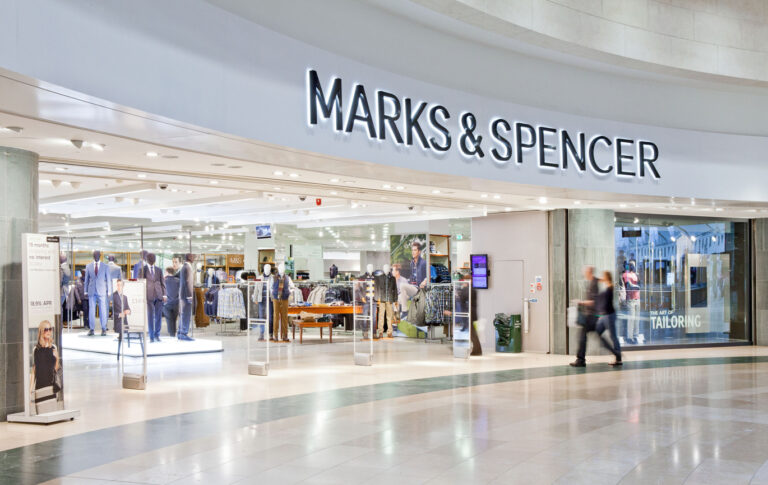
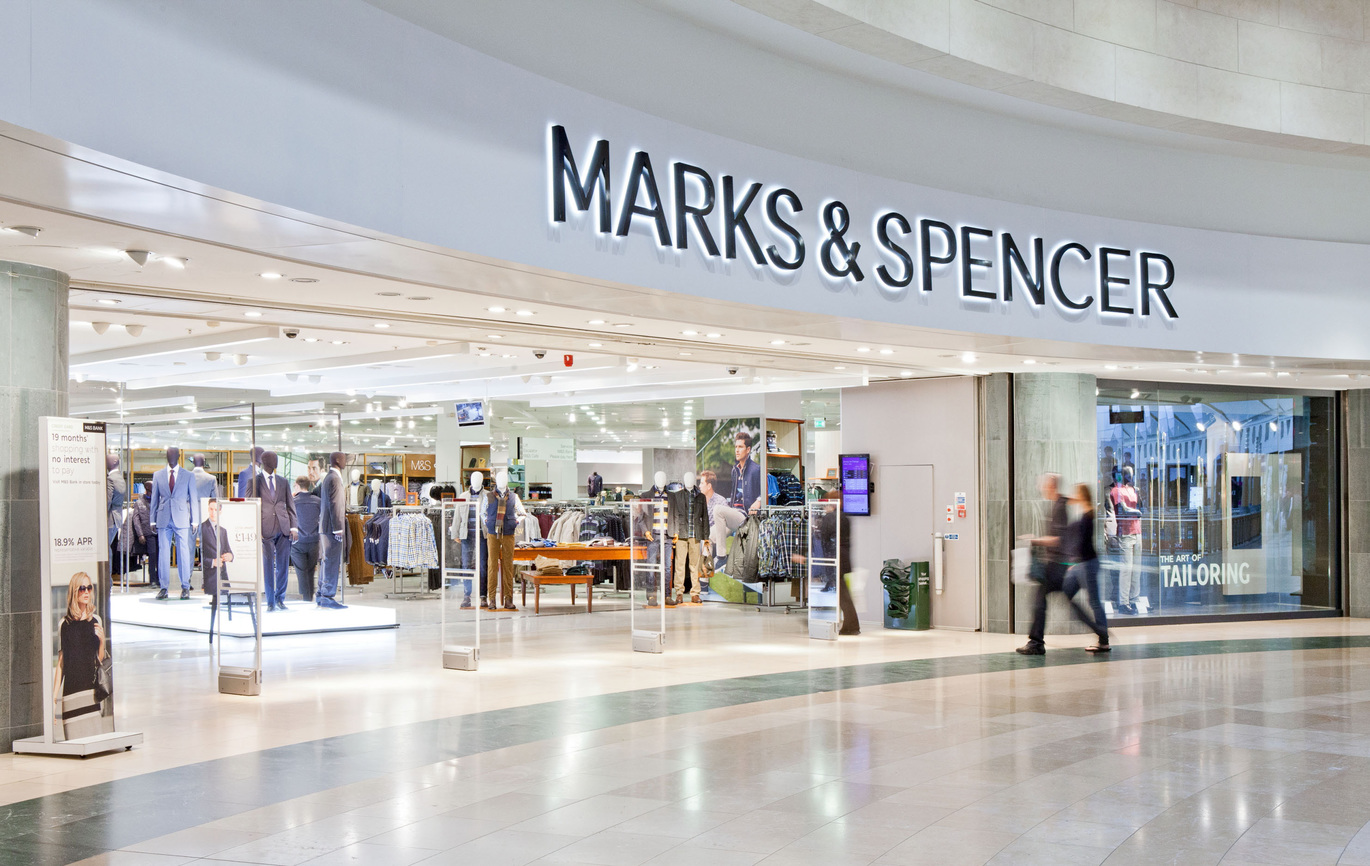
In terms of real estate, the retailer is targeting approximately 180 full-line and over 420 food stores. “New stores are exceeding management’s performance expectations,” Shore Capital noted, with locations like Bristol and Bath already performing strongly.
International operations, while still a work in progress, are gradually being reset with a more capital-light model. Ocado Retail also plays a complementary role, offering online reach that in-store formats cannot provide.
Key Financial Highlights (FY2025)
- Revenue: £13.9bn
- Adjusted PBT: £876m
- Adjusted EPS: 30.6p
- Dividend per share: 3.6p
- Forecast FY2026 EPS: 23.4p with rising dividends to 4.3p
- Net debt position: £1.78bn, expected to rise to £2.35bn in FY2026 before falling thereafter
With M&S forecasting continued growth, Shore Capital sees long-term potential. “If this trajectory is confirmed, we believe that M&S equity is wholly mispriced at this time,” said Black and Shirley. The note also suggests that a share price above 700p is plausible in the medium to long term, supported by sequential earnings growth and cash generation that could lead to share buybacks or special dividends.
On a Final Note
Shore Capital’s assessment paints a compelling picture of a revitalised Marks & Spencer. With strategic clarity, operational improvements, and rising consumer engagement, M&S appears to be laying strong foundations for sustainable growth and improved shareholder returns.