SmartRent, Inc. (SMRT), a trailblazer in the technology sector focusing on software applications for the real estate industry, presents a mixed bag for investors. Headquartered in Scottsdale, Arizona, SmartRent aims to revolutionize property management through its advanced smart building hardware and software solutions. Despite its promising technological innovation, the company’s current financial metrics suggest challenges that potential investors should carefully consider.
With a market capitalization of $344.35 million, SmartRent operates in the competitive landscape of software applications, primarily serving rental property owners, property managers, and developers. Its offerings include smart apartments and homes, access control systems, and various asset protection solutions, all designed to enhance visibility and control for real estate stakeholders.
As of the latest trading session, SmartRent’s stock is priced at $1.82, sitting near the higher end of its 52-week range of $0.72 to $1.86. Despite a modest price increase of $0.11 or 0.06%, the stock’s potential downside of -5.22% to an average target price of $1.73 raises caution among investors. Analysts have currently issued two hold ratings, reflecting a cautious stance on the company’s near-term performance.
One of the most concerning aspects for investors is SmartRent’s financial performance. The company reports a revenue decline of 10.60%, and its earnings per share (EPS) stands at -$0.36. Moreover, the return on equity is a worrying -25.48%, indicating inefficiencies in generating profits from shareholder equity. The free cash flow is notably negative at -$15.75 million, suggesting liquidity challenges that could affect operational sustainability.
Valuation metrics further complicate the investment thesis for SmartRent. The forward P/E ratio is an alarming -182.00, highlighting investor skepticism about future earnings potential. Traditional valuation ratios like PEG, Price/Book, and Price/Sales are unavailable, making it difficult to benchmark SmartRent against its industry peers.
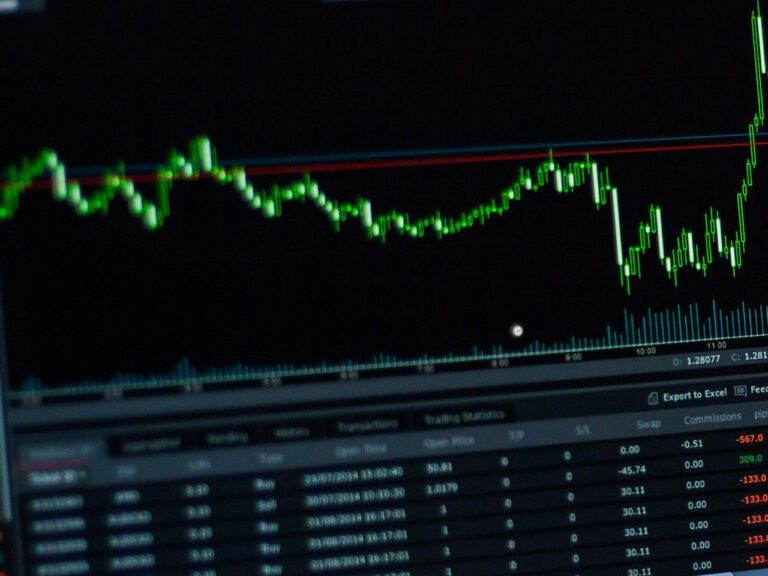
On the technical front, the stock shows some resilience. The 50-day moving average of $1.47 and a 200-day moving average of $1.20 indicate a positive trend, albeit with caution due to a Relative Strength Index (RSI) of 35.19, suggesting the stock might be nearing oversold territory. The Moving Average Convergence Divergence (MACD) value of 0.08, surpassing the signal line of 0.05, may hint at a potential bullish momentum shift, yet the broader financial concerns overshadow this technical optimism.
For income-focused investors, SmartRent does not offer dividends, as indicated by a payout ratio of 0.00%. This lack of dividend yield may deter those seeking regular income from their investments.
SmartRent’s innovative approach to integrating technology with property management holds significant long-term potential. However, the immediate financial indicators and analyst ratings suggest prudence is warranted. Investors should weigh the promising prospects of SmartRent’s technology against its current financial hurdles before making investment decisions in this dynamic yet challenging market environment.