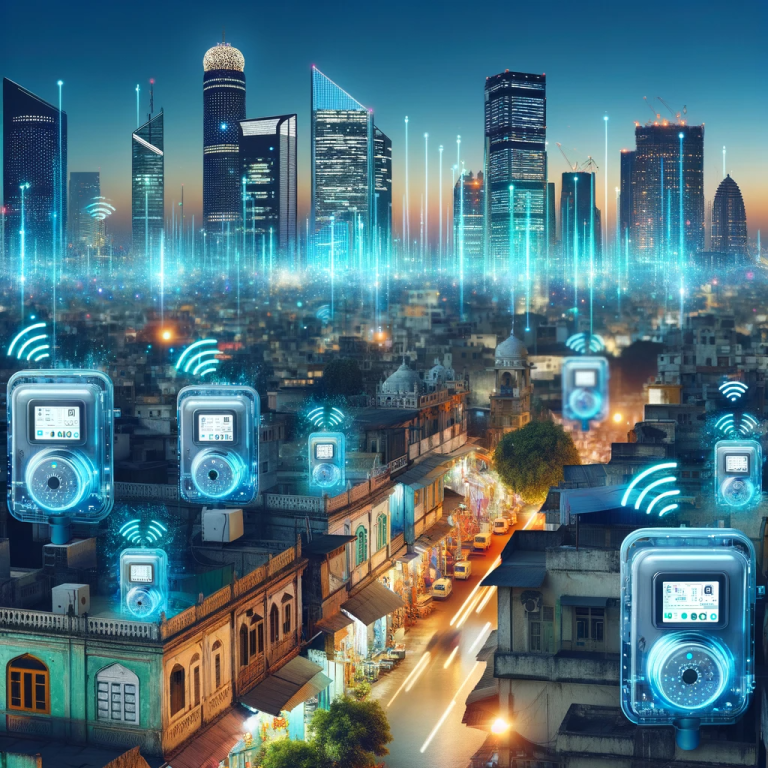
India’s large scale rollout of smart electricity meters is beginning to change how utilities manage power distribution, with digital monitoring systems improving visibility across the electricity grid.
Smart meters replace traditional analogue devices by recording electricity use in near real time. This allows utilities to track consumption more accurately, detect outages faster and improve billing efficiency. A growing share of India’s installed smart meters now operate using decentralised communication networks built on Internet of Things technology.
This architecture allows each device to act as a communication node, passing data through the network until it reaches utility control systems. The approach improves connectivity in areas where telecommunications infrastructure may be limited or unreliable.
More than ten million smart meters using this decentralised model are already in operation across India. These systems have been deployed across several states, demonstrating that mesh networks can operate at scale within the country’s electricity infrastructure.
The distributed design provides several operational advantages. Because each meter can relay information through multiple network paths, the system remains functional even if individual connections fail. This improves reliability while reducing the need for large numbers of central communication gateways.
CyanConnode Holdings plc (LON:CYAN) is a world leader in the design and development of Narrowband RF mesh networks that enable Omni Internet of Things (IoT) communications.