
IAG orders Boeing 737-8200 and 737-10 in line with net zero commitments

International Airlines Group

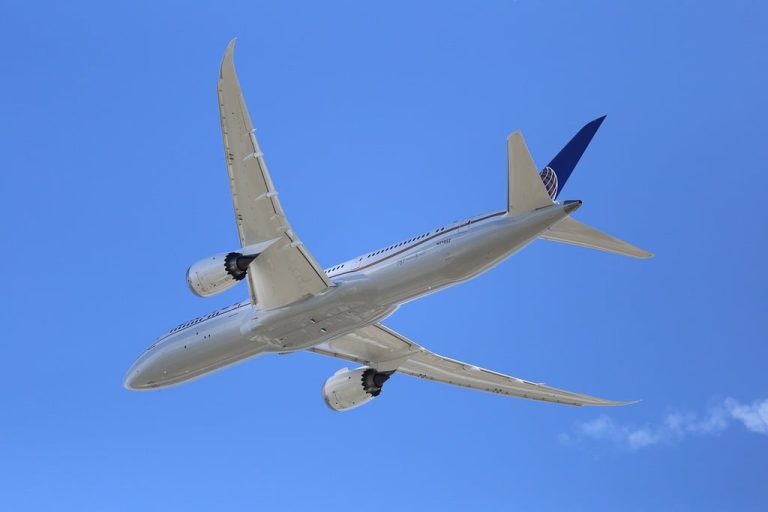
International Consolidated Airlines Group (LON:IAG) has reached agreement with Boeing to order 25 737-8200 and 25 737-10 aircraft, plus 100 options.

The aircraft will be delivered between 2023 and 2027 and can be used by any airline in the Group for fleet replacement.

Luis Gallego, IAG´s chief executive, said: “The addition of new Boeing 737s is an important part of IAG´s shorthaul fleet renewal. These latest generation aircraft are more fuel efficient than those they will replace and in line with our commitment to achieving net zero carbon emissions by 2050.”

The fleet order is subject to approval by International Consolidated Airlines Group shareholders.

Share on:

Latest Company News

International Airlines Group reports strong Q3 2025 results

International Airlines Group posted an 18% rise in operating profit to €3.93 billion for the nine months to 30 September 2025, with adjusted earnings per share up 27%.

IAG reports €1.88bn H1 profit on strong travel demand

International Consolidated Airlines Group posted a 43.5% rise in H1 2025 operating profit to €1.88 billion, driven by resilient passenger demand, lower fuel costs and strong performance across its brands.

IAG orders 53 long-haul aircraft from Airbus and Boeing

International Consolidated Airlines Group is set to enhance its long-haul fleet with 53 new Airbus and Boeing aircraft, boosting efficiency and growth prospects.

IAG reports strong Q3 financials with revenue growth and €350m share buyback

International Consolidated Airlines Group (LON:IAG) reports robust Q3 2024 results with a 15.4% rise in operating profit and a €350 million share buyback.

International Airlines Group reports strong Q1 results, well-positioned for summer

International Consolidated Airlines Group (LON:IAG) reports strong Q1 2024 results with increased revenue, operating profit, and passenger capacity growth. CEO Luis Gallego highlights transformation benefits and high demand for travel.

    Search

    Search