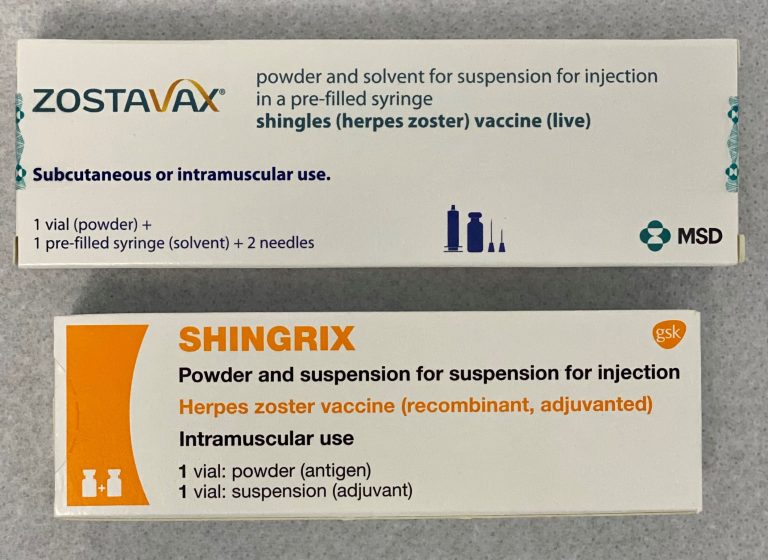
Investors with a keen eye on the healthcare sector will find GSK plc (GSK) an intriguing entity in the pharmaceutical landscape. Headquartered in London, United Kingdom, this healthcare titan boasts a substantial market capitalization of $118.25 billion, underpinned by its extensive portfolio of vaccines, specialty medicines, and general pharmaceuticals. With a history dating back to 1715, GSK has solidified its position as a significant player in the drug manufacturing industry.
Currently trading at $58.93, GSK’s stock is flirting with the upper end of its 52-week range of $33.60 to $60.23, reflecting a resilient performance amidst market volatilities. However, the stock’s potential upside seems limited with an average analyst target of $57.48, suggesting a minor downside of approximately 2.45%. This conservative outlook is echoed in the mixed analyst ratings, with only one buy recommendation against six holds and one sell.
One of the standout aspects of GSK’s financials is its robust revenue growth of 6.20%, a testament to its strong market positioning and effective commercial strategies. The company’s impressive return on equity of 43.31% further underscores its operational efficiency and ability to generate shareholder value. Despite a trailing P/E ratio not being available, the forward P/E of 11.52 presents a favorable valuation metric, suggesting potential undervaluation when compared to industry peers.
GSK’s financial health is supported by a significant free cash flow of nearly $4 billion, which not only facilitates ongoing research and development initiatives but also supports its dividend yield of 3.03%. With a payout ratio of 46.54%, the company’s dividend policy appears both sustainable and attractive for income-focused investors.
Technically, GSK’s stock is currently above its 50-day moving average of $50.93 and significantly above the 200-day moving average of $43.50, indicating a strong upward trend. However, the RSI (Relative Strength Index) of 78.06 suggests that the stock is in overbought territory, which could signal a potential pullback or consolidation in the near term.
Strategic partnerships, such as the collaboration with CureVac for mRNA vaccines and the alliance with AN2 Therapeutics for TB therapies, highlight GSK’s commitment to innovation and expanding its therapeutic offerings. These initiatives could serve as catalysts for future growth and provide a competitive edge in the rapidly evolving healthcare landscape.
For investors, the key considerations revolve around GSK’s ability to sustain its revenue growth and the potential impact of its strategic collaborations. While the current market sentiment appears cautious, GSK’s strong fundamentals and strategic positioning in the healthcare sector make it a stock worth monitoring for both growth and income potential. As always, investors should weigh the risks and rewards, considering both the technical indicators and broader market conditions, before making investment decisions.