Chevron Corporation (NYSE: CVX), a titan in the integrated oil and gas industry, stands as a stalwart in the energy sector with a substantial market capitalization of $301.26 billion. Based in Houston, Texas, Chevron’s operations span the globe, showcasing its prowess in both upstream and downstream segments. Despite the inherent volatility of the energy sector, Chevron remains a key player for investors seeking stable dividends and potential growth.
Currently trading at $149.52, Chevron’s stock price reflects a modest gain of 0.02%, highlighting its relative stability in a fluctuating market. The stock’s 52-week range between $133.73 and $168.51 underscores the volatility typical of the energy sector, yet Chevron manages to maintain a robust position within this spectrum.
Valuation metrics for Chevron present a mixed picture. The company features a forward P/E ratio of 19.57, which suggests moderate expectations for earnings growth. However, several key valuation metrics including trailing P/E, PEG ratio, and price/book are not available, indicating potential complexities in assessing Chevron’s intrinsic value solely through traditional financial metrics.
Performance-wise, Chevron’s revenue growth has seen a slight dip at -1.40%, a reflection of the broader challenges faced by the energy sector. Nonetheless, the company boasts a notable EPS of 7.12 and a return on equity of 7.32%, indicators of its operational efficiency and profitability. Furthermore, Chevron’s substantial free cash flow of over $15.7 billion provides a strong financial cushion, enabling it to weather economic headwinds and invest in future projects.
Chevron’s dividend yield is an attractive 4.57%, appealing to income-focused investors. However, with a payout ratio of 95.08%, the sustainability of such dividends may warrant scrutiny, especially if revenue growth remains sluggish.
Analyst ratings for Chevron are predominantly positive, with 15 buy ratings, 10 hold ratings, and only a single sell rating. The stock’s target price range spans from $124.00 to $204.00, with an average target of $172.33. This positions Chevron with a potential upside of 15.26%, making it a compelling consideration for investors looking to capitalize on price appreciation.
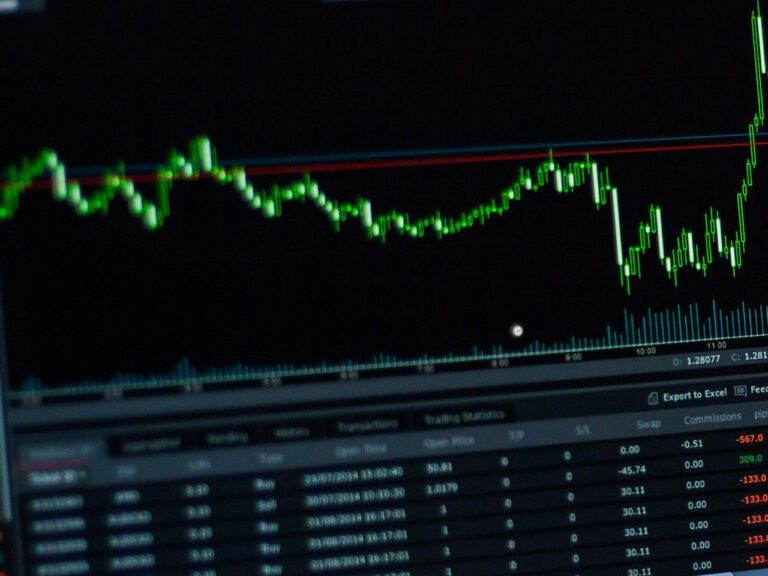
Technical indicators present a nuanced picture. Chevron’s stock is currently trading below its 50-day moving average of $152.50 and slightly below its 200-day moving average of $150.47, which could suggest near-term technical resistance. Moreover, the RSI (14) at 75.22 indicates that the stock may be overbought in the short term, while the MACD and signal line values suggest further bearish momentum.
Chevron’s comprehensive operations in energy and chemicals, combined with its strategic focus on both traditional oil and gas and renewable energies, position it well to adapt to the evolving energy landscape. While the company faces challenges in maintaining revenue growth and managing high dividend payouts, its strong cash flow and significant market presence provide a solid foundation for future resilience and growth.
For investors, Chevron Corporation offers a blend of stability through its substantial dividends and potential upside through stock appreciation. As the energy sector continues to navigate global economic shifts, Chevron’s strategic initiatives and robust financials make it a noteworthy consideration for portfolios seeking exposure to the energy market.