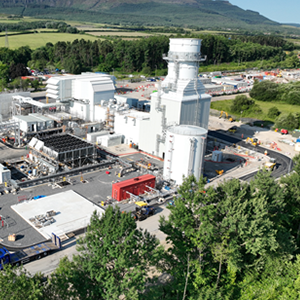
BP PLC (BP.L), a cornerstone of the global energy sector, offers a complex investment landscape for individual investors, marked by both opportunities and challenges. With a market capitalization of $66.99 billion, BP stands as a significant player in the oil & gas integrated industry, headquartered in London, United Kingdom. As the world shifts towards sustainable energy, BP’s diversified operations in natural gas, solar, wind, and hydrogen present a compelling narrative for environmentally-conscious investors.
Currently trading at 437.9 GBp, BP’s price movement remains within a 52-week range of 331.70 to 476.15 GBp. The stock’s recent price change of 5.10 GBp, a modest 0.01% increase, indicates stability amidst broader market volatility. Investors should note the stock’s potential upside of 8.58%, with analysts setting a target price range between 376.76 and 588.67 GBp and an average target of 475.49 GBp.
Valuation metrics for BP present a puzzling picture. The absence of a trailing P/E ratio and PEG ratio, coupled with a staggering forward P/E of 882.35, might raise eyebrows among value investors. These figures suggest that BP’s current earnings may not yet reflect its future potential or that significant growth expectations are priced in. Investors should exercise caution and consider the broader energy market dynamics when assessing these metrics.
BP’s performance metrics reveal a company in modest growth mode, with a revenue growth rate of 2.50% and an EPS of 0.08. The return on equity stands at 3.55%, indicating that while BP is generating profit, there may be room for improvement in terms of efficiency and shareholder returns. The impressive free cash flow of approximately $11.98 billion underscores BP’s strong liquidity position, a vital factor for funding future expansions and sustaining dividend payouts.
Speaking of dividends, BP’s yield is an attractive 5.60%, but the payout ratio of 314.27% suggests the dividend is being funded beyond net income, possibly from reserves or debt. This could be a red flag for dividend sustainability, demanding investor vigilance over future financial disclosures and strategic shifts.
Analyst ratings are mixed, with 7 buy, 11 hold, and 1 sell recommendations. This consensus reflects a cautious optimism, balancing BP’s growth initiatives against macroeconomic uncertainties and sector-specific challenges. The technical indicators, including a 50-day moving average of 446.17 GBp and a 200-day moving average of 409.23 GBp, hint at a stock currently trading slightly below its short-term trend but above its longer-term average, indicative of potential upward momentum.
BP’s RSI of 54.85 suggests a neutral market sentiment, neither overbought nor oversold, while the MACD and Signal Line figures of -4.93 and -5.47, respectively, indicate a bearish trend that investors should monitor closely.
As BP navigates the evolving energy landscape, its strategic pivot towards low-carbon solutions and diversified energy offerings positions it for long-term growth. However, investors must weigh these prospects against current valuation concerns and dividend sustainability. Engaging with BP’s journey requires a keen eye on global energy policies, technological advancements, and financial health, making it a compelling watch for those invested in the future of energy.