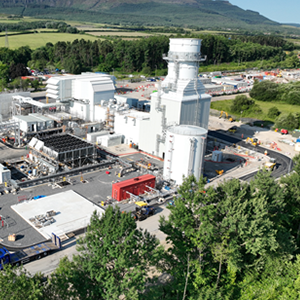
BP PLC (BP.L), a stalwart in the integrated oil and gas industry, is a company that has captured the attention of investors with its robust market presence and substantial dividend yield, currently standing at 5.43%. As a key player in the global energy sector, BP operates through various segments including Gas & Low Carbon Energy, Oil Production & Operations, and Customers & Products. This diversified approach not only highlights BP’s strategic adaptability but also positions it well to navigate the ongoing energy transition.
Currently, BP’s stock is trading at 452.85 GBp, which is slightly down by 0.03% or 12.15 GBp. The stock’s 52-week range indicates a low of 331.70 GBp and a high of 476.15 GBp, suggesting that it is trading closer to its peak over the past year. This trading range reflects investor confidence, yet also highlights the volatility characteristic of the energy sector.
From a valuation perspective, BP presents a complex picture. The absence of a trailing P/E ratio and PEG ratio, combined with a forward P/E of 904.07, suggests that investors may be pricing future growth and earnings potential highly. The lack of available Price/Book and Price/Sales ratios further complicates a straightforward valuation, indicating the necessity of a nuanced approach to understanding BP’s financial health.
BP’s revenue growth has been modest at 2.50%, with an earnings per share (EPS) of 0.08. The company’s Return on Equity (ROE) is recorded at 3.55%, which, while positive, may not fully satisfy investors seeking higher returns. However, BP’s free cash flow of $11.98 billion underscores its strong cash-generating ability, which is crucial for sustaining its operations and dividend payouts.
The company’s high payout ratio of 314.27% raises questions about the sustainability of its dividend payments. This figure indicates BP is returning more to shareholders than it earns, which might be a red flag for dividend sustainability unless offset by future earnings growth or strategic financial maneuvers.
Analyst ratings provide a mixed picture: with 7 buy, 11 hold, and 1 sell recommendation, the consensus suggests a cautious optimism. The average target price of 468.44 GBp implies a potential upside of 3.44%, hinting at modest appreciation potential. Analysts’ sentiment reflects the need for BP to balance its traditional oil and gas operations with its investments in renewable energy to ensure long-term growth.
Technical indicators offer further insights into BP’s stock trajectory. The stock’s 50-day moving average is at 442.67, while the 200-day moving average is at 408.60, suggesting a bullish trend in the medium term. The Relative Strength Index (RSI) of 49.05 indicates a neutral momentum, while the MACD of 3.58 against a signal line of 4.39 suggests a potential for upward movement, albeit with caution.
BP’s strategic involvement in the transition to low-carbon energy, through investments in solar, wind, and hydrogen, as well as its commitment to sustainable aviation fuels, positions it well for future growth. Despite the challenges, BP’s diversified portfolio across traditional and renewable energies could offer resilience and potential upside for investors willing to navigate the complexities of the energy sector.
For investors, BP presents a mix of opportunities and challenges. The substantial dividend yield might appeal to income-focused investors, while those looking for growth should consider BP’s strategic initiatives in the renewable energy space. The stock’s current metrics and market dynamics suggest that while BP faces hurdles, its longstanding market presence and adaptive strategies could provide a compelling case for long-term investment.