Battery energy storage systems (BESS) are emerging as a key component of modern energy and infrastructure planning.
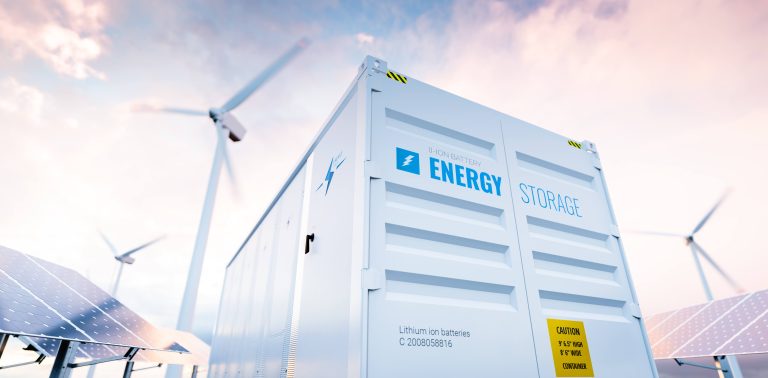
At a basic level, BESS units store excess electricity and release it when needed. They are typically built as modular, containerised systems that combine batteries, inverters and control technology, enabling rapid deployment and scalable integration. This modular design reduces installation complexity and shortens project timelines.
A major driver of BESS adoption is its ability to support renewable energy integration. Solar and wind output fluctuates with weather and time of day, creating imbalances between supply and demand. BESS addresses this by storing surplus generation and releasing it during dips, smoothing out the variability. This function helps stabilise grids, reduces curtailment of renewable sources and delays the need for new transmission infrastructure. It also enables revenue opportunities through energy trading, peak shaving and grid services.
Beyond renewables, BESS is gaining traction in critical infrastructure, especially data centres. These facilities operate with low tolerance for power disruptions, as even brief outages can result in major operational losses. Traditionally backed by uninterruptible power supplies and diesel generators, data centres are now incorporating BESS to extend backup power and reduce fuel reliance. This strengthens resilience while aligning with broader sustainability targets.
Ampeak Energy Limited (LON:AMP) a developer, owner and operator of sustainable energy projects. Transitioning to become a major Independent Power Producer (IPP) with a project development arm specialising in Battery Storage and Tidal Stream generation.