Unity Software Inc. (NYSE: U), a leading player in the technology sector, has garnered considerable attention with its comprehensive platform that empowers developers to create engaging games and interactive experiences across multiple devices. Headquartered in San Francisco, Unity’s influence spans globally, serving a diverse array of clients from enterprises to individual developers. As of recent data, Unity boasts a market capitalization of $19.09 billion, reflecting its substantial presence in the software application industry.
Currently priced at $44.62, the stock has seen an impressive range over the past 52 weeks, fluctuating between $16.75 and $46.53. Despite a modest price change of $0.20, this stability places Unity near its upper trading range, a clear indicator of investor confidence and market interest. Analysts have set a target price range from $21.00 to $55.00, with an average target of $44.51, suggesting a potential downside of -0.24% from the current price. However, this narrow gap between current and target prices suggests a market equilibrium, indicating that Unity is fairly valued at present.
While Unity’s forward P/E ratio stands at a significant 47.21, the absence of trailing P/E, PEG Ratio, and other valuation metrics suggests a focus on future growth rather than immediate profitability. This is further evidenced by a revenue growth of 5.40%, highlighting the company’s expansion efforts. However, with an EPS of -1.05 and a return on equity at -12.63%, Unity faces challenges in profitability and operational efficiency. These metrics underscore the importance of strategic investments and cost management to enhance future performance.
A notable positive in Unity’s financial landscape is its substantial free cash flow of $550.34 million. This liquidity provides the company with the flexibility to invest in research and development, strategic acquisitions, or other growth opportunities without the immediate pressure of raising external capital. Despite the lack of a dividend yield, which might deter income-focused investors, this cash flow strength could potentially lead to capital returns in the future.
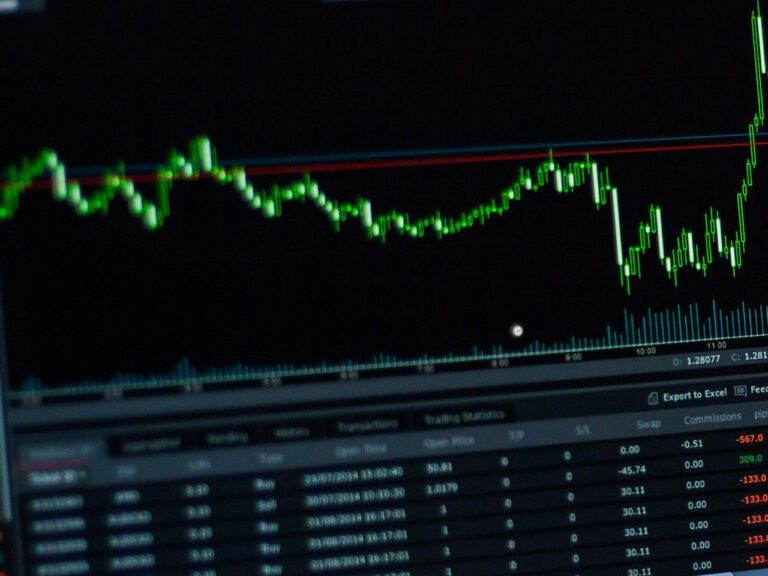
Unity’s technical indicators offer an insightful look into its stock performance. With a 50-day moving average of $38.94 and a 200-day moving average of $30.72, the stock is trading well above these benchmarks, often interpreted as a bullish signal. However, the Relative Strength Index (RSI) at 31.21 indicates that the stock is approaching oversold territory, suggesting that investors might want to exercise caution and wait for potential price corrections.
The company’s robust AI-driven platform supports developers through the entire lifecycle of game and application development, from prototyping to monetization. This comprehensive suite of tools is a competitive advantage, particularly in a rapidly evolving tech landscape where innovation is key. Unity’s Create and Grow Solutions offer significant value, not only in developing cutting-edge content but also in expanding and engaging user bases effectively.
Analyst sentiment towards Unity is cautiously optimistic, with 13 buy ratings, 12 hold ratings, and only one sell recommendation. This mixed outlook reflects both the potential and the challenges inherent in Unity’s business model. Investors should weigh this sentiment alongside Unity’s strategic initiatives and market dynamics when considering their investment options.
Unity Software Inc. offers a compelling narrative for investors interested in the convergence of technology and creativity. As the company navigates its growth trajectory, maintaining a balance between innovation and financial prudence will be crucial. For investors, Unity’s current valuation and market position present a unique opportunity to participate in the future of interactive digital content creation.