The first operational update since the mid-May acquisition of Trinidad’s Central Block licence hints at a quietly powerful shift in Touchstone Exploration’s profile. Beneath the figures lies a story of strategic foresight: modest upticks in output mask a deeper play on LNG-linked pricing that, once fully in motion, could deliver a steadier cash flow rhythm than conventional gas sales alone.
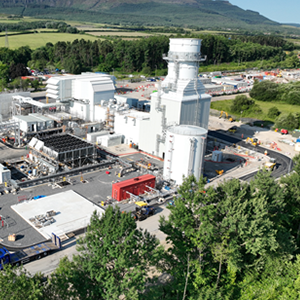
Touchstone’s initial reporting shows gross output inching up to 3,023 barrels of oil equivalent per day in Q2 from 2,969 boepd in Q1. On its own, a 1.8 per cent rise might seem pedestrian, yet the improvement reflects finely tuned plant optimisation rather than costly add-ons. Net to Touchstone, production rose to 1,965 boepd, split between 17.05 million cubic feet per day of natural gas and 181 barrels per day of natural gas liquids. Behind these numbers sits a newly rebranded subsidiary, Touchstone Trinidad Central Block, which now operates four gas wells and a mid-stream processing hub under a 65 per cent working interest, with Heritage Petroleum holding the remainder.
More revealing than the raw volumes is how that gas is being sold. Since January, the asset has delivered eleven LNG liftings totalling some 2.2 million MMBtu and a further 11,065 MMBtu into the domestic market. On an aggregated basis, these sales generated gross revenue of US$9.9 million, of which US$6.4 million accrued to Touchstone after transport, processing and a 12.5 per cent state royalty. LNG volumes saw an average realised price of US$6.15 per MMBtu, translating to a net plant-gate figure of US$4.00, whilst domestic gas fetched US$4.33. Condensate sales added nearly US$0.65 million net, underlining the value of associated liquids. By tying export volumes to global LNG benchmarks, Touchstone is effectively hedging against the more erratic swings of local pricing, creating a revenue base that looks both more predictable and potentially more lucrative if international LNG rates remain firm.
The timing of cash receipts also merits attention. Commercial documentation is complete, and the first LNG payment from Q2 liftings is expected by the end of July. For investors, the arrival of that payment will serve as tangible proof of concept for this dual-pricing strategy, shifting anticipation into realised liquidity. Meanwhile, the team has already completed surveys for two new well pads capable of hosting up to eight additional drills, subject only to government sign-off. If approved, these sites could be tied into existing infrastructure at relatively low capital intensity, offering a tidy lever to pull on output enhancements without the usual upfront rig-and-pipeline spend.
Naturally, risks persist. Drill approvals may be slower than hoped, and financing requirements for new wells could test balance-sheet discipline, particularly if LNG prices soften. Yet Touchstone enters this phase with minimal debt burdens and a consolidated asset that has moved from projection to production within weeks. In a sector often defined by lumpy capex cycles and volatile spot prices, a steady trickle of LNG-linked revenue can act as a ballast, cushioning investors against commodity downturns.
Viewed through the lens of relative valuation, the central thesis becomes clear. At a production run-rate hovering around 3,000 boepd and assuming conservative cash margins near US$15 per boe, Touchstone’s share price has room to rerate if the LNG contract continues to deliver as advertised. Its structure offers both a shorter-term cash catalyst, in the form of imminent payments, and a longer-term optionality from drilling upside. For holders seeking exposure to Trinidad’s energy sector without the full force-majeure risk of pure spot-gas plays, this mix of operational rigour and contractual hedging presents a compelling proposition.
The Central Block operation is less about headline jumps in output and more about how a marginal production increase can be magnified through smarter marketing. By leveraging export-linked pricing alongside domestic sales, Touchstone has stitched together a model that aims to smooth revenue peaks and troughs, turning a single asset into a dual-engine cash generator. As the market awaits the first LNG payment, the broader narrative of disciplined growth and diversified sales channels is likely to command a closer look.
Touchstone Exploration Inc (LON:TXP) is a Canadian-based, international upstream oil and gas company currently active in the Republic of Trinidad and Tobago. Primera Oil and Gas is the Trinidadian subsidiary of Touchstone.