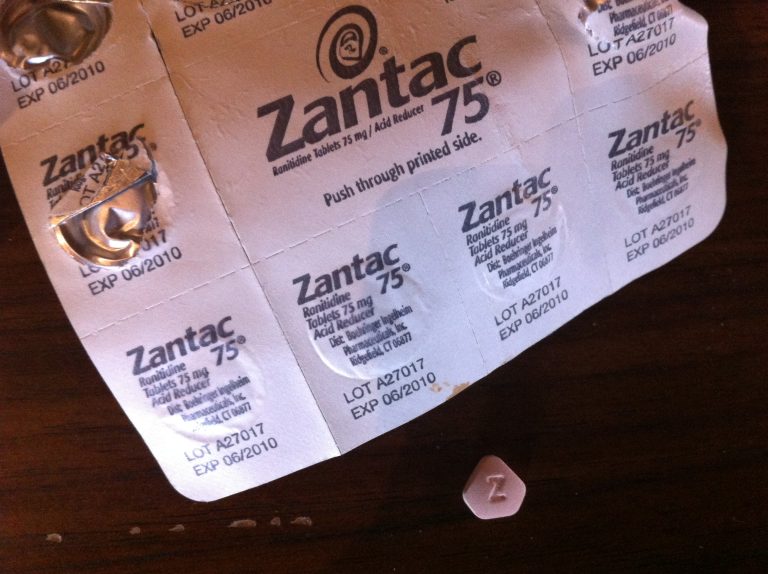
GSK plc has welcomed today’s Daubert ruling by the Florida State Court. In excluding plaintiffs’ expert testimony as unreliable, GSK will now seek dismissal of the upcoming Wilson case in Florida – whereby plaintiffs alleged a causal link between ranitidine and prostate cancer.
· Florida State Court’s ruling finds in favour of GSK and other defendants, excluding plaintiff’s experts’ general and specific causation testimony that ranitidine was a significant risk factor for Wilson’s prostate cancer
· Court’s ruling is consistent with scientific consensus that there is no consistent or reliable evidence that ranitidine increases the risk of any cancer
· GSK continues to vigorously defend itself, including against all claims in other jurisdictions
Today’s decision echoes the December 2022 ruling by Judge Rosenberg in the federal multidistrict litigation (MDL), which rejected all expert evidence put forward by the plaintiffs and dismissed all MDL cases alleging bladder, esophageal, gastric, liver, or pancreatic cancer. Both the MDL and Florida courts have determined that the methodology used by plaintiffs’ experts is unreliable and fails to meet the Daubert standard for scientific evidence.
Since 2019, following the 16 epidemiological studies looking at human data regarding the use of ranitidine, the scientific consensus is that there is no consistent or reliable evidence that ranitidine increases the risk of any cancer. Today’s ruling reflects the state of that science and ensures that unreliable and litigation-driven science does not enter the courtroom.
GSK continues to defend itself vigorously, including against all remaining claims in other jurisdictions.
Notes to Editors
* The Daubert standard, established in the U.S. Supreme Court case Daubert v. Merrell Dow Pharmaceuticals, Inc. 509 US 579 (1993) provides criteria for evaluating whether expert testimony is admissible under Federal Rule of Evidence 702. Under Rule 702 and Daubert, an expert may offer testimony if he or she is qualified by knowledge, education, training or experience in a given area and the testimony offered is reliable, relevant and helpful to the jury. In applying the Daubert standard, the Court acts as a gatekeeper, ensuring that expert opinions meet certain standards for reliability and that speculative or unreliable opinions are not presented to the jury. In Daubert, the Supreme Court identified four factors to guide assessment of an expert’s methodology: (1) whether the expert’s methodology has been tested or is capable of being tested; (2) whether the theory or technique used by the expert has been subjected to peer review and publication; (3) whether there is a known or potential error rate of the methodology; and (4) whether the technique has been generally accepted in the relevant scientific community. The Daubert standard is applicable to expert testimony in all federal cases. Many states also have adopted standards identical to the federal Daubert standard.
The term “Daubert Standard” comes from the United States Supreme Court case: Daubert v Merrell Dow Pharmaceuticals Inc 509 US 579 (1993).