BGM Group Ltd. (BGM) operates in the highly competitive healthcare sector, focusing on the drug manufacturing industry, specializing in both specialty and generic medications. Based in Chengdu, China, BGM has carved out a niche for itself through the production of active pharmaceutical ingredients (APIs) and traditional Chinese medicine derivatives (TCMD). Despite its promising product lineup, BGM is currently facing significant challenges, as reflected in its recent financial performance and stock market metrics.
With a market capitalization of $726.26 million, BGM stands as a mid-sized player in the healthcare industry. However, the current price of its shares, pegged at $3.62, has shown a lack of positive momentum, having decreased slightly by 0.03% recently. This stagnation in share price is further highlighted by its 52-week range, which spans from $3.48 to a high of $16.36, indicating substantial volatility over the past year.
From a valuation perspective, BGM is facing scrutiny due to the absence of key metrics such as the P/E Ratio, PEG Ratio, and Price/Book Ratio. This lack of data complicates traditional valuation approaches, leaving investors with limited guidance on the stock’s intrinsic value. The company’s dramatic -56.90% revenue growth further exacerbates concerns, as this decline signals potential operational or market challenges that need to be addressed.
Financial performance metrics paint a similarly complex picture. BGM’s earnings per share (EPS) is currently at -0.29, reflecting the company’s struggle to achieve profitability. A return on equity (ROE) of -16.52% suggests inefficiencies in generating returns on shareholder equity, which may deter potential investors looking for robust financial health. However, the company’s free cash flow of $3.36 million provides a silver lining, offering some liquidity cushion amidst the financial strain.
Dividend investors may find BGM less appealing, given its lack of dividend yield and a payout ratio of 0.00%, indicating that the company is not disbursing profits to shareholders in the form of dividends. This could be a strategic move to reinvest earnings for future growth, but it remains a point of consideration for income-focused investors.
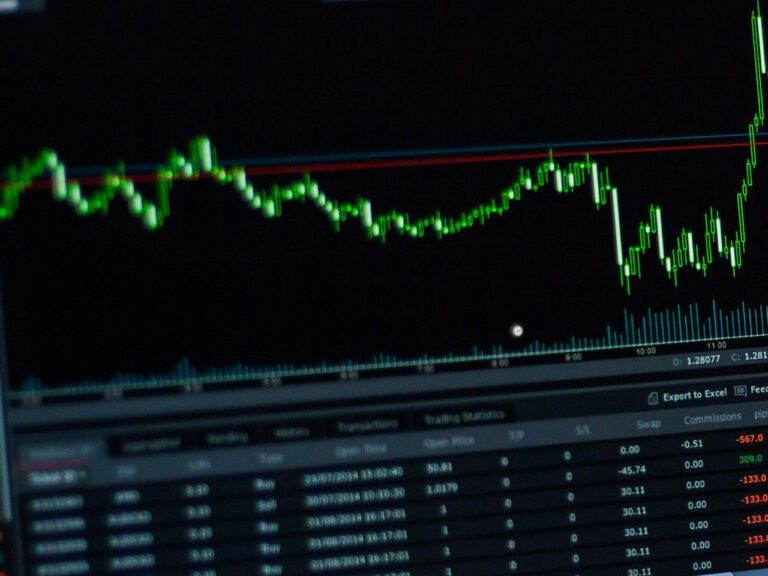
Analyst ratings and price targets for BGM are currently non-existent, adding an additional layer of uncertainty for investors seeking external validation or forecasts. The technical indicators further underscore the stock’s bearish trend, with a 50-day moving average of 5.66 and a 200-day moving average of 9.10, both of which are above the current share price. The Relative Strength Index (RSI) of 47.40 suggests that the stock is neither overbought nor oversold, yet the negative MACD and Signal Line values point towards a bearish sentiment.
Despite these challenges, BGM Group Ltd. has a diverse product portfolio that includes licorice-based pharmaceuticals, oxytetracycline products, and advanced TCMD offerings like antibacterial pastes and heparin products. These innovations cater to both the healthcare and agricultural sectors, potentially providing diversified revenue streams once market conditions stabilize.
BGM’s strategic direction and resilience in navigating a volatile market will be key for investors to monitor. The company’s capacity to leverage its unique product offerings and adapt to industry shifts will determine its ability to transition from a phase of financial uncertainty to one of growth and profitability. Investors should keep a close eye on upcoming financial reports and market developments to gauge how BGM is positioning itself within the rapidly evolving healthcare landscape.