Tidal energy has often been viewed as a promising but difficult part of the renewable energy market. The appeal is clear. Unlike wind and solar, tidal power is driven by predictable ocean movements, making output easier to forecast.
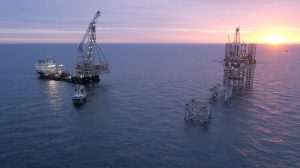
Located in the Inner Sound of the Pentland Firth, between the Scottish mainland and Stroma, MeyGen is one of the most important tidal stream projects in operation. Its current phase uses four seabed-mounted turbines, each rated at 1.5 megawatts, giving the site 6 megawatts of installed capacity.
The project is proving tidal technology in real operating conditions, not in theory. The turbines sit on gravity foundations rather than being drilled into the seabed. Each foundation weighs around 1,450 tonnes, holding the turbine in place through mass alone. This design reduces the need for more complex seabed installation work, which is important in fast-moving waters where offshore construction can be expensive and weather-sensitive.
MeyGen’s operating record is the main point of interest. One turbine, known as TTG 3, has operated for seven years without a repair visit. That is significant in a sector where maintenance costs can make or break project economics. Offshore repairs require specialist vessels, good weather windows and careful planning, so longer periods between interventions can improve the case for future projects.
Since 2018, MeyGen has generated more than 84 gigawatt-hours of electricity and has produced most of the United Kingdom’s tidal stream power. The current 6-megawatt phase remains small compared with established wind and solar assets, but its value lies in the evidence it provides. It shows that tidal turbines can operate for years in one of the world’s strongest tidal channels.
Ampeak Energy Limited (LON:AMP) a developer, owner and operator of sustainable energy projects. Transitioning to become a major Independent Power Producer (IPP) with a project development arm specialising in Battery Storage and Tidal Stream generation.