Battery energy storage systems are becoming a major source of lithium demand alongside electric vehicles. Their rapid deployment is widening the market for battery materials and strengthening the long-term case for reliable lithium supply.
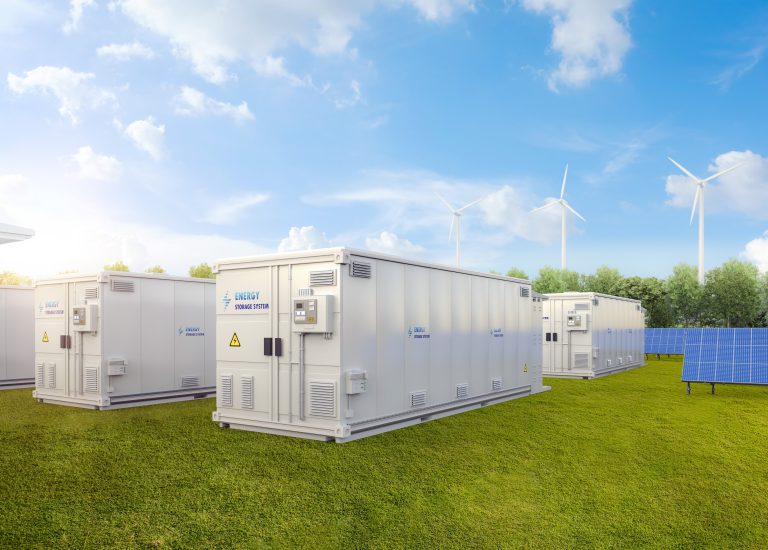
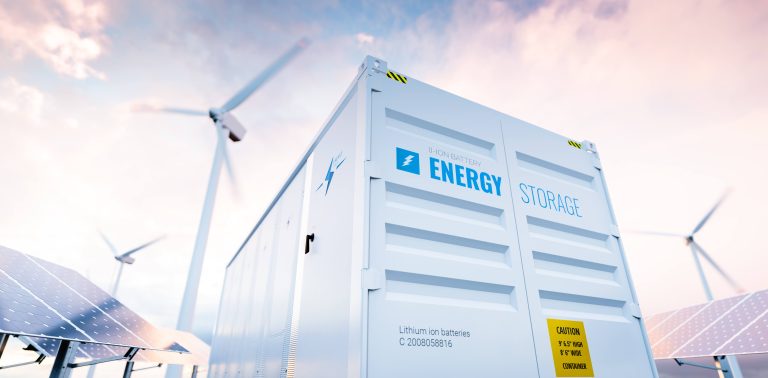
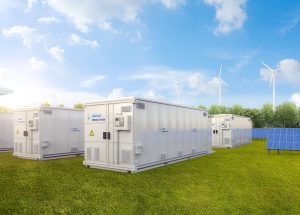
A battery energy storage system, or BESS, stores electricity and releases it when needed. These systems help electricity grids manage changes in supply and demand, particularly as more solar and wind power is added. Renewable generation is variable, so storage allows excess electricity produced at one time to be used later.
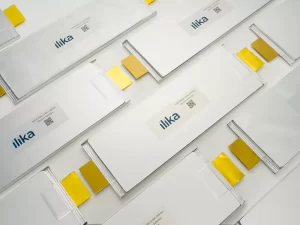
Most modern BESS installations use lithium-ion batteries. Lithium iron phosphate, known as LFP, is the main battery chemistry used in the sector and accounts for more than 90% of the battery energy storage market. This makes BESS growth directly relevant to demand for lithium carbonate, battery cells and associated processing capacity.
The sector is expanding from a smaller base than electric vehicles, but its influence on the lithium market is becoming harder to ignore. Battery storage has developed into a distinct demand channel with its own procurement cycles, cost pressures and project timelines.
Most BESS projects are connected directly to electricity grids and are used by utilities or independent power producers. Installation is also increasing behind the meter, where batteries are located at commercial or industrial sites.
Data centres are emerging as another source of demand. Operators are considering storage as part of the infrastructure needed to support high electricity consumption, manage grid connection delays and provide more reliable power.