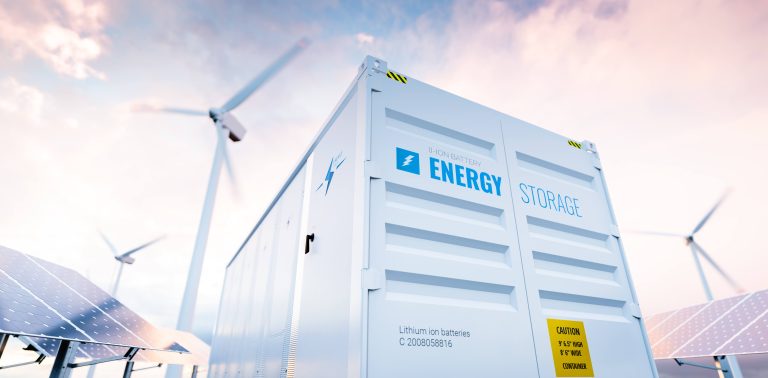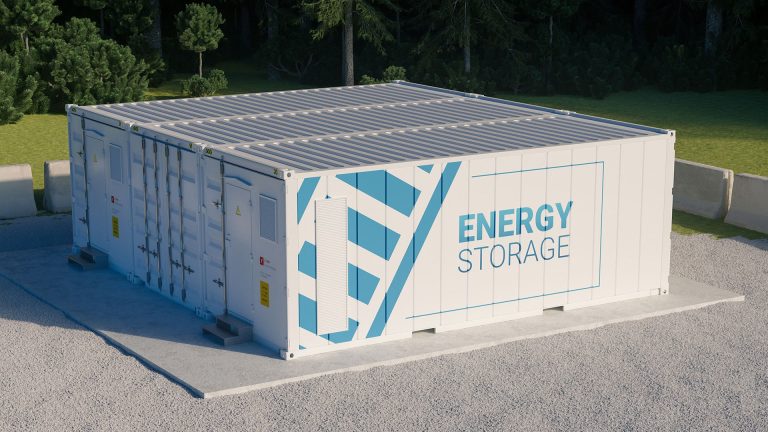
Ampeak Energy is developing battery storage projects to address a growing need in the UK electricity market. As renewable generation expands, the grid needs more capacity to store surplus power and release it when demand rises.
Battery Energy Storage Systems charge when electricity is abundant and prices are lower. They discharge when supply is tighter and prices are higher. This gives project owners several potential sources of revenue while helping the grid manage the variable output of wind and solar generation.
Ampeak expects electricity trading to provide most of the income from its battery projects. The company plans to buy power during periods of oversupply and sell it back when market conditions are stronger. Its assets may also earn revenue through the Capacity Market and ancillary services, which reward operators for supporting security of supply and grid stability.
The company intends to use an experienced third-party optimiser to manage trading and dispatch. The proposed structure is expected to include a guaranteed minimum revenue level. This could reduce downside risk while preserving some exposure to favourable market conditions.
Renewable capacity is increasing, but generation does not always match demand. Wind and solar output can rise when electricity use is low and fall when demand is high. Storage helps close that gap.
Demand from artificial intelligence data centres could add another source of growth. These facilities require large and dependable electricity supplies. They also need protection against interruptions and sudden changes in power availability.
Battery storage can support data centres by providing backup power, reducing peak demand and lowering exposure to volatile electricity prices. In some cases, batteries and data centres may share grid infrastructure. This can improve the use of limited grid connections and reduce the need for separate development costs.
The combination of battery storage and data centres may also create a more balanced operating model. Data centres consume power continuously, while batteries can charge and discharge in response to market conditions. Shared infrastructure could improve the economic use of land, planning approvals and grid capacity.
Ampeak Energy Limited (LON:AMP) a developer, owner and operator of sustainable energy projects. Transitioning to become a major Independent Power Producer (IPP) with a project development arm specialising in Battery Storage and Tidal Stream generation.