The vanadium ore market is valued at USD 1.28 billion in 2026 and is projected to reach USD 2.4 billion by 2035. The market is expected to grow at a compound annual growth rate of 6.5% between 2027 and 2035.
Demand is led by steel production, with additional use in aerospace alloys and energy storage. Vanadium is added to steel to improve strength and durability, making it relevant to construction, infrastructure and industrial manufacturing.
Steel remains the core market. This gives vanadium producers exposure to long-term infrastructure and manufacturing demand, while also creating sensitivity to construction activity, industrial output and steel production levels.
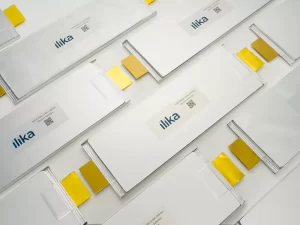
Energy storage is the main emerging opportunity. Vanadium redox flow batteries are being developed for large-scale storage applications, including systems linked to renewable power. Wider adoption could create a new source of vanadium demand outside traditional steel and alloy markets.
The importance of this opportunity depends on deployment. Vanadium-based battery systems will need to gain wider commercial use before energy storage becomes a major source of ore demand. Even so, the sector adds a second growth route to a market that has historically depended heavily on steel.
Aerospace and specialty alloys provide another demand channel. Vanadium is used where strength and material performance are important, giving the market exposure to higher-value industrial applications as well as bulk steel production.
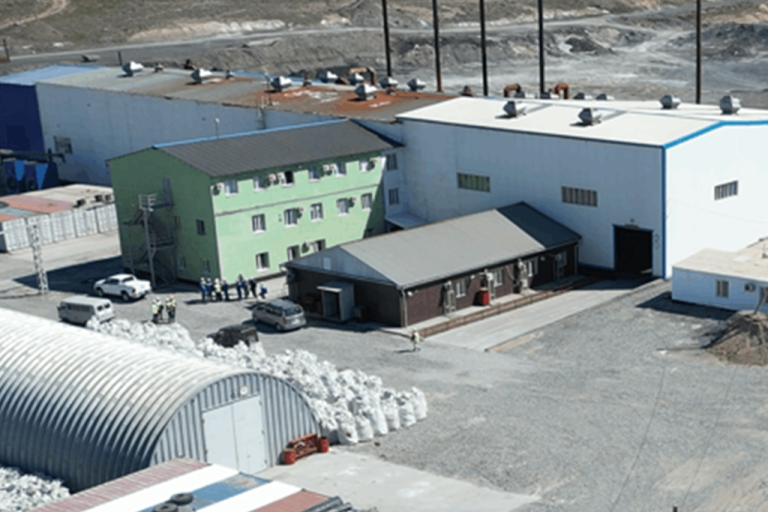
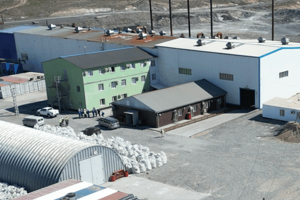
Ferro-Alloy Resources Ltd (LON:FAR) is developing the giant Balasausqandiq vanadium deposit in Kyzylordinskaya oblast of southern Kazakhstan. The ore at this deposit is unlike that of nearly all other primary vanadium deposits and is capable of being treated by a much lower cost process.