The vanadium liquid battery market is expected to grow from USD 120 million in 2024 to USD 372.22 million by 2033.
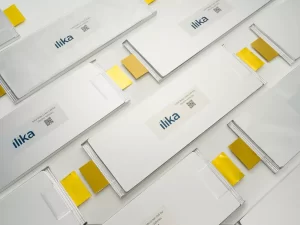
Vanadium liquid batteries, also known as vanadium redox flow batteries, store electricity in liquid electrolytes containing vanadium. Their main advantage is that storage capacity can be increased by using larger electrolyte tanks. This makes them well suited to large-scale projects where long operating life, frequent charging and discharging, and extended storage duration are important.
Demand is being driven mainly by wind and solar power. Renewable generation does not always match electricity demand, so grid operators need storage systems that can hold energy for longer periods and release it when required. Vanadium flow batteries are designed for this type of use, particularly in utility-scale grid storage.
Grid modernisation is another clear growth driver. Utilities are investing in systems that can improve reliability, manage peak demand and support more renewable generation. This creates a larger potential market for vanadium batteries, especially where long-duration storage is more important than compact size.
Large businesses can use energy storage to manage electricity demand, improve resilience and support decarbonisation targets. Vanadium batteries may also be used in microgrids and remote power systems where reliability and long service life are important.
Better electrolyte formulations, improved system efficiency and more standardised designs can help reduce costs and make projects easier to deploy. Companies that can improve performance while keeping manufacturing and raw material costs under control may gain a stronger position as the market expands.
Companies that secure reliable access to vanadium or produce their own electrolyte can reduce exposure to shortages and price swings. That could help protect margins and improve their ability to deliver large projects on time.
More renewable energy means more demand for long-duration storage, and vanadium liquid batteries are one of the technologies positioned to meet that need.
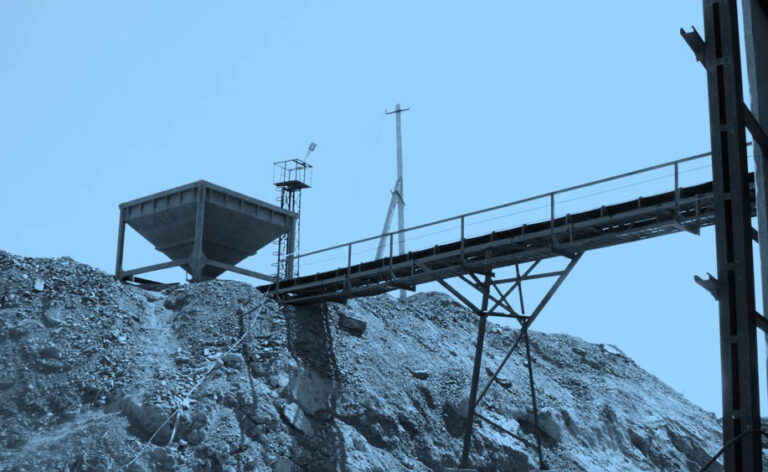
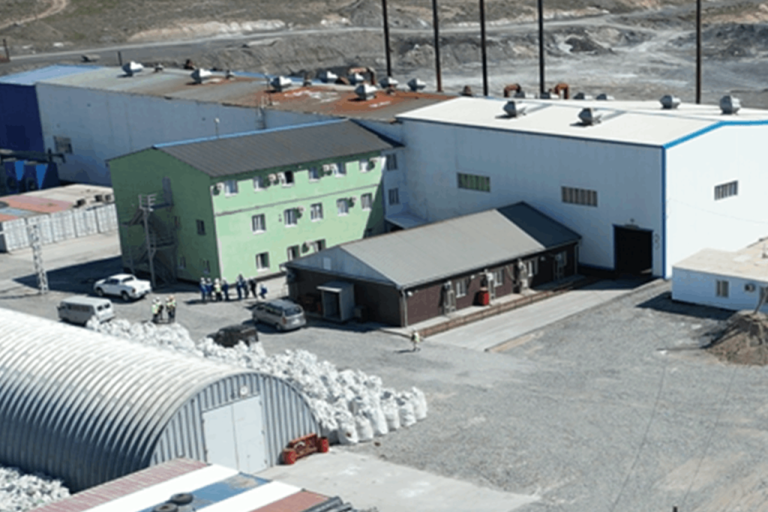
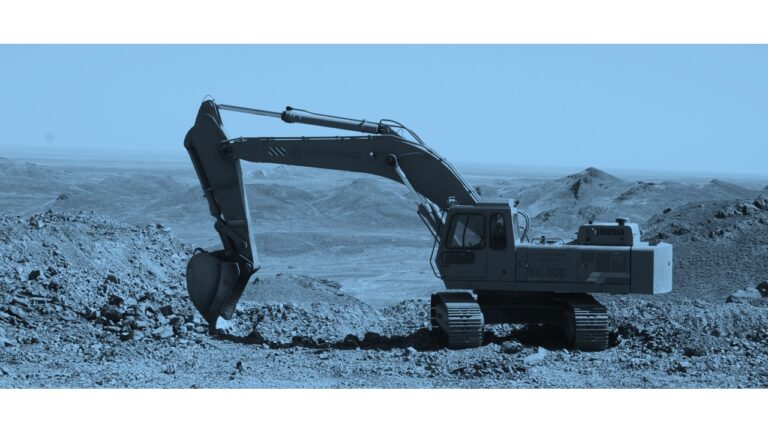
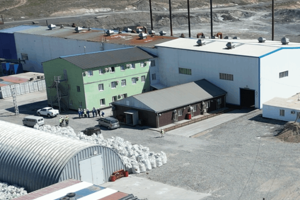
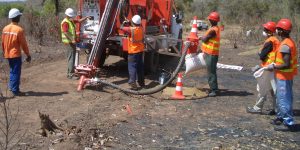
Ferro-Alloy Resources Ltd (LON:FAR) is developing the giant Balasausqandiq vanadium deposit in Kyzylordinskaya oblast of southern Kazakhstan. The ore at this deposit is unlike that of nearly all other primary vanadium deposits and is capable of being treated by a much lower cost process.