Vanadium has an established role in steel production and a growing opportunity in energy storage.
Steel remains the main source of vanadium demand. More than 90 per cent of consumption is linked to steelmaking, where vanadium is added to improve strength, toughness and durability. It is widely used in high-strength, low-alloy steels for construction, infrastructure, pipelines and other applications where stronger material can improve performance and reduce overall steel requirements.
This gives vanadium a solid industrial demand base. Unlike minerals that depend heavily on the success of a single emerging technology, vanadium already has a large established market. The energy storage sector adds a second potential demand driver rather than creating the entire investment case.
The main growth opportunity comes from vanadium redox flow batteries. These systems use vanadium electrolyte to store and release electricity. They are designed for stationary energy storage and can be scaled for larger grid applications. Solar and wind output changes throughout the day, creating a need for storage that can move electricity from periods of high generation to periods of higher demand. Vanadium flow batteries are suited to repeated charging and discharging and can provide storage over longer periods than many conventional battery systems.
The technology is therefore relevant to grid-scale and long-duration storage. If deployment increases, battery demand could become a more meaningful part of the vanadium market and reduce the sector’s dependence on steel alone.
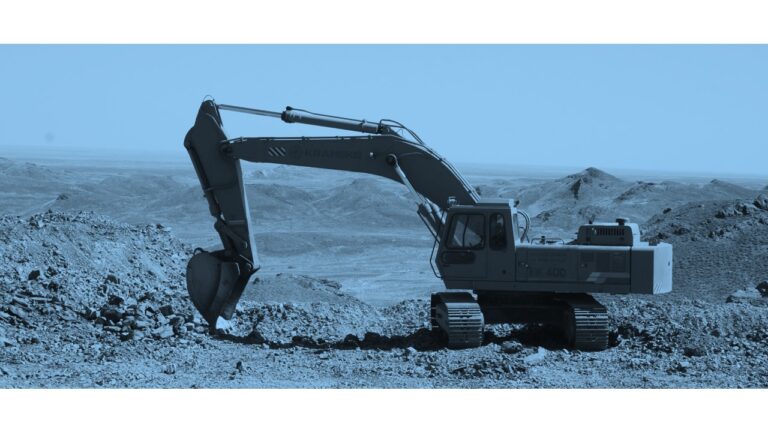
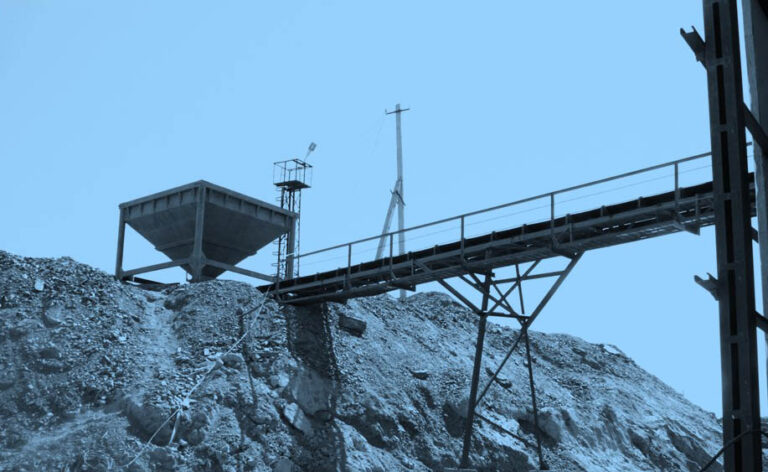
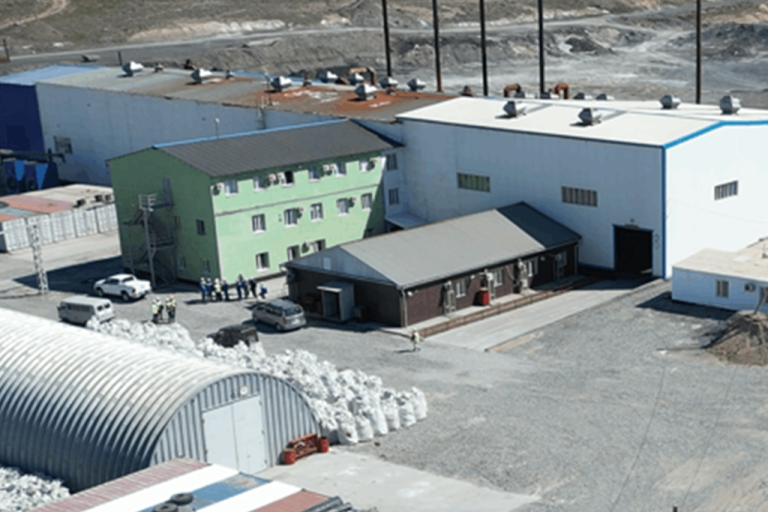
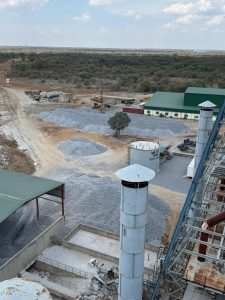
Ferro-Alloy Resources Ltd (LON:FAR) is developing the giant Balasausqandiq vanadium deposit in Kyzylordinskaya oblast of southern Kazakhstan. The ore at this deposit is unlike that of nearly all other primary vanadium deposits and is capable of being treated by a much lower cost process.