RM Assessment has highlighted how remote examinations can expand access to qualifications, while also showing where further development is needed before digital delivery can operate at scale.
The company compared the experience of one candidate who completed GCSE examinations remotely with the same candidate’s later experience of sitting A-level examinations in a traditional school exam hall.
The candidate took GCSE examinations in ten subjects while living outside the UK. The only examination centre offering the required qualifications was several hundred kilometres away, making travel impractical. A remote option allowed the candidate to sit the examinations from home instead.
The process was structured but still relied on several manual steps. The candidate received each examination paper and answer booklet electronically, printed the documents at home, completed the examination during a fixed time slot, then scanned and uploaded the finished answer booklet.
Security was managed through three cameras positioned around the room. One camera recorded the examination as a backup in case the live connection failed. A remote proctor monitored the feeds, checked the materials available to the candidate and remained contactable through an online chat system.
The arrangement widened access to qualifications and removed the cost, time and disruption associated with travelling long distances. The familiar home setting also reduced uncertainty, while the remote support and monitoring process gave the candidate confidence that the examination was being managed properly.
However, the process placed additional responsibility on the candidate and their family. Printing papers, scanning completed scripts and uploading files introduced several points at which equipment or connectivity could fail. These extra stages also extended the total time required for each examination.
The need for multiple cameras, a printer, a scanner and a stable internet connection creates another barrier. Not every household has access to the required equipment, which limits how widely this model can be used without additional support.
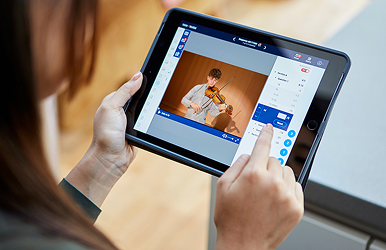
RM Assessment said many of these weaknesses could be reduced through fully digital examination delivery. Completing the examination entirely on a connected device would remove the need to print, scan and upload documents. This could make remote assessment easier to manage and reduce the operational risk associated with manual handling.
The candidate later returned to classroom-based education and sat A-level examinations in a conventional exam hall during summer 2026. That setting removed responsibility for submitting answer booklets and provided direct access to teachers, classmates and established examination procedures.
The exam hall also offered a wider range of adjustments for candidates who needed additional support. At the same time, large numbers of candidates, different schedules and strict behavioural requirements created potential distractions and pressure.
RM plc (LON:RM) is a global EdTech provider of learning and assessment solutions, supporting the full learning journey, from early years through to higher education and professional qualifications.