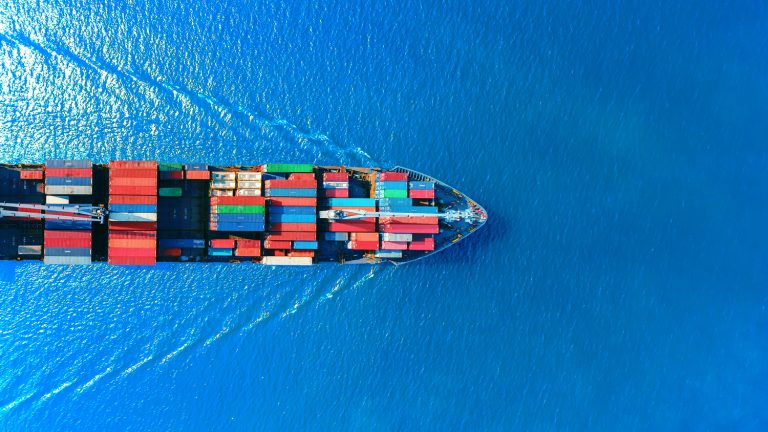
The maritime industry is moving steadily towards lower-emission operations, with sustainability now shaping core business decisions rather than sitting at the margins.
Shipping faces increasing scrutiny as emissions standards tighten. This is forcing operators to make earlier and more deliberate investment choices around fleet upgrades and fuel strategies. The pace of change varies, but directionally the industry is aligned towards decarbonisation. Companies that delay adjustment risk higher compliance costs and reduced asset relevance over time.
Fuel choice remains a central uncertainty. Liquefied natural gas is being used as a near-term solution, offering a reduction in emissions compared with conventional fuels. At the same time, alternatives such as methanol, ammonia and hydrogen are being explored as longer-term options. None has emerged as a clear standard, which creates execution risk.
Improvements in vessel design, speed optimisation and digital systems are lowering fuel consumption and operating costs. These changes are relatively low risk and can be implemented across existing fleets, making them a practical step while longer-term fuel strategies develop.
Fleet renewal, retrofitting and compliance-related investment are increasing overall spending requirements. While this can weigh on short-term financial metrics, it also supports asset longevity and regulatory alignment. Access to financing is increasingly linked to environmental performance, with lenders and investors placing greater emphasis on sustainability criteria.
Quadrise plc (LON:QED) is an energy technology provider whose solutions enable production of cheaper, cleaner, simpler and safer alternatives to fuel oil and biofuels, proven in real world applications. Quadrise technologies produce transition fuels called MSAR® and bioMSAR™, which allow clients in the shipping, utilities and industrial sectors to reduce carbon emissions whilst also saving costs.