Drax is calling for the UK government’s temporary electricity VAT cut to become the starting point for wider reform of energy pricing.
From 1 October, the government will remove the 5 per cent VAT charge from domestic electricity bills for six months. The move follows a 13 per cent increase in Ofgem’s household energy price cap and is expected to reduce the annualised cap by around £45. The immediate benefit is lower household electricity costs. The bigger issue is how electricity is taxed and charged compared with gas.
Electricity carries policy costs that gas does not. Drax argues that this makes electricity less competitive at the same time as the UK is trying to encourage households and businesses to adopt electric heating, transport and industrial processes. That price gap can slow electrification.
The issue also affects business investment. UK companies pay around 45 per cent more for electricity than the G7 median, while four in ten businesses have cut investment because of energy costs. High electricity prices can make the UK less attractive for power-intensive projects, including data centres and industrial facilities.
Industrial users face a similar problem when considering a switch from gas to electricity. In some cases, electric alternatives are more expensive because of the difference in energy pricing. That weakens the commercial case for investing in lower-carbon equipment.
Large energy and industrial projects can operate for decades, but exemptions, levies and support schemes may change much sooner. Companies making long-term capital commitments therefore need greater certainty over how electricity costs will be structured.
One option is to remove green levies from electricity bills and fund them through general taxation or another broader mechanism. That would not necessarily reduce support for renewable energy. It would change how those costs are paid and could lower the burden on electricity consumers.
For Drax, a more electrified economy would increase electricity demand and strengthen the need for reliable, flexible generation and storage. As more wind and solar capacity enters the system, the UK will also need power sources that can respond when renewable output falls. Drax is positioned around that need through its flexible generation and storage activities.
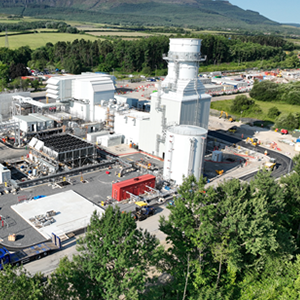
Drax Group plc (LON:DRX), trading as Drax, is a power generation business. The principal downstream enterprises are based in the UK and include Drax Power Limited, which runs the biomass fuelled Drax power station, near Selby in North Yorkshire.