Battery energy storage systems are becoming an increasingly important part of modern power infrastructure as renewable generation expands and electricity demand becomes more complex. The technology addresses one of the central limitations of solar and wind generation: electricity is not always produced at the same time that consumers and businesses need it.
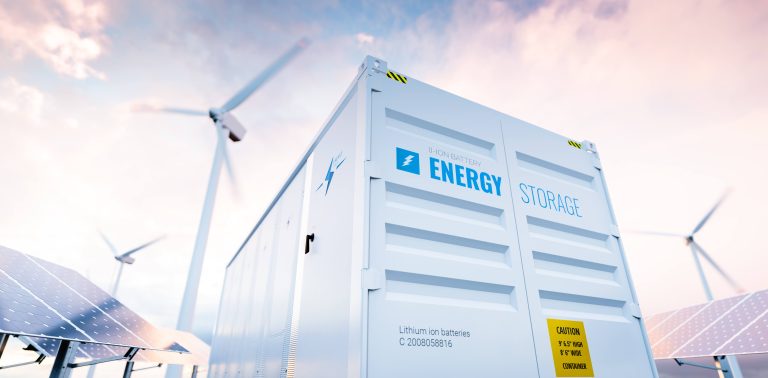
Battery energy storage systems, commonly known as BESS, capture electricity when it is available and release it when demand or system conditions require it. This ability to shift power across different periods can improve the usefulness of renewable generation while giving grid operators and large electricity users another tool for managing supply, demand and reliability.
Battery systems can support peak shaving, load shifting, frequency regulation, grid stabilisation and backup power. They can also allow electricity generated or purchased during lower-demand periods to be used when prices or demand are higher.
This flexibility is becoming more relevant as electricity systems accommodate greater volumes of intermittent renewable generation. Solar production is concentrated during daylight hours, while wind output depends on weather conditions. Without storage or another form of flexible generation, changes in renewable output can create additional challenges for networks expected to provide electricity continuously.
The global BESS market has been projected to approach $200 billion by 2031, compared with an estimated $89.9 billion in 2026. Battery deployment is being supported by renewable development, grid modernisation, electrification and the rising need for flexible power infrastructure.
Large electricity consumers provide another potential area of demand. Data centres, including infrastructure supporting artificial intelligence workloads, require highly reliable and continuous electricity. Battery systems can bridge interruptions in primary generation, respond rapidly to changes in grid conditions and support on-site generation such as solar or gas-powered facilities.
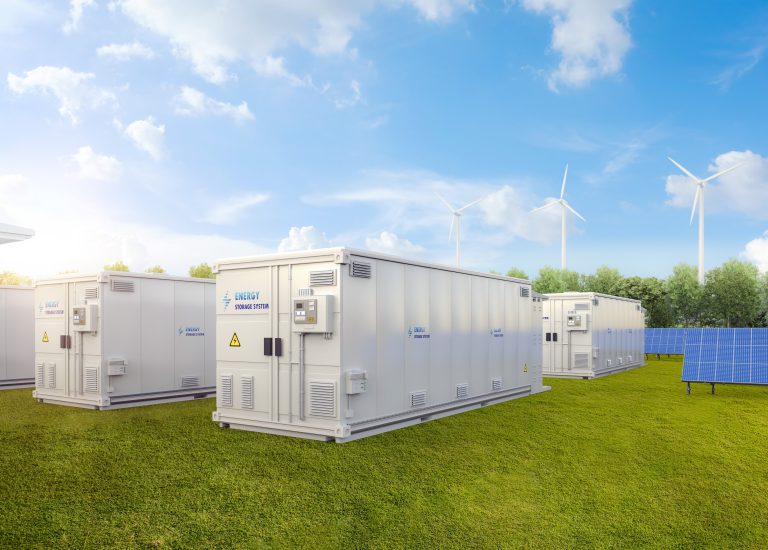
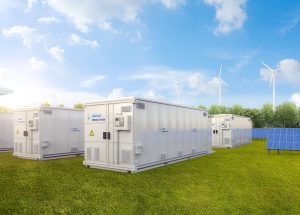
Storage can also be deployed as modular infrastructure. Containerised battery units allow capacity to be added as electricity requirements develop rather than requiring the entire planned storage system to be installed from the outset. That can provide greater flexibility around capital timing, particularly for projects where power requirements are expected to increase in stages.
Ampeak Energy Limited (LON:AMP) a developer, owner and operator of sustainable energy projects. Transitioning to become a major Independent Power Producer (IPP) with a project development arm specialising in Battery Storage and Tidal Stream generation.