Pfizer, Inc. (NYSE: PFE) remains a pivotal player in the healthcare sector, renowned for its robust portfolio of biopharmaceutical products. With a market capitalization of $171.16 billion, Pfizer is a significant force in the general drug manufacturing industry. As the company continues to navigate the post-pandemic landscape, its stock performance and strategic initiatives offer intriguing prospects for individual investors.
Currently trading at $30.03, Pfizer’s stock has experienced a slight dip, reflecting a 0.39 (-0.01%) change. The 52-week range of $23.67 to $30.42 highlights the stock’s relative volatility and potential for growth. Investors should note the forward P/E ratio of 10.41, indicating a potentially undervalued position compared to industry peers, despite the unavailability of other traditional valuation metrics such as PEG ratio and Price/Book ratio.
A key highlight for income-focused investors is Pfizer’s attractive dividend yield of 5.73%. However, the payout ratio stands at a concerning 226.32%, which suggests that the company is distributing more in dividends than its net income can sustain. This could indicate potential adjustments in future dividend policies unless offset by significant revenue growth or cost management improvements.
Pfizer’s revenue growth of 2.60% and an EPS of 0.77 reflect its ongoing ability to generate returns, albeit modestly. The company’s return on equity (ROE) is 5.01%, which, while positive, may not fully satisfy investors seeking higher returns on their investment. On the brighter side, Pfizer boasts a robust free cash flow of over $12 billion, providing a cushion for strategic investments and potential shareholder returns.
Analyst sentiment remains mixed, with 9 buy ratings, 17 hold ratings, and 2 sell ratings. The target price range of $25.00 to $36.00 implies a potential downside of -2.57% from the current price, based on the average target of $29.26. This suggests that while there is room for upward movement, investors should tread carefully, considering market conditions and company performance.
Technically, Pfizer’s stock is positioned above its 50-day moving average of $28.30 and its 200-day moving average of $26.68, indicating positive momentum. The RSI (14) of 53.22 suggests that the stock is neither overbought nor oversold, while the MACD indicator at 0.59 above the signal line of 0.43 points to a bullish trend.
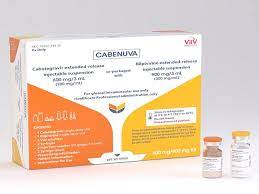
Pfizer continues to diversify its product offerings, with significant contributions from its Biopharma, PC1, and Pfizer Ignite segments. The company’s commitment to innovation is evident in its expansive range of products, from internal medicine and vaccines to oncology and biosimilars. Collaborations with industry giants like Bristol-Myers Squibb and BioNTech SE further bolster its research capabilities and market reach.
For investors, Pfizer presents a complex but promising picture. The attractive dividend yield coupled with strategic market positioning offers potential rewards, but the high payout ratio and mixed analyst ratings suggest cautious optimism. As Pfizer continues to innovate and adapt, its long-standing presence in the healthcare sector could prove advantageous for those willing to navigate the inherent risks.