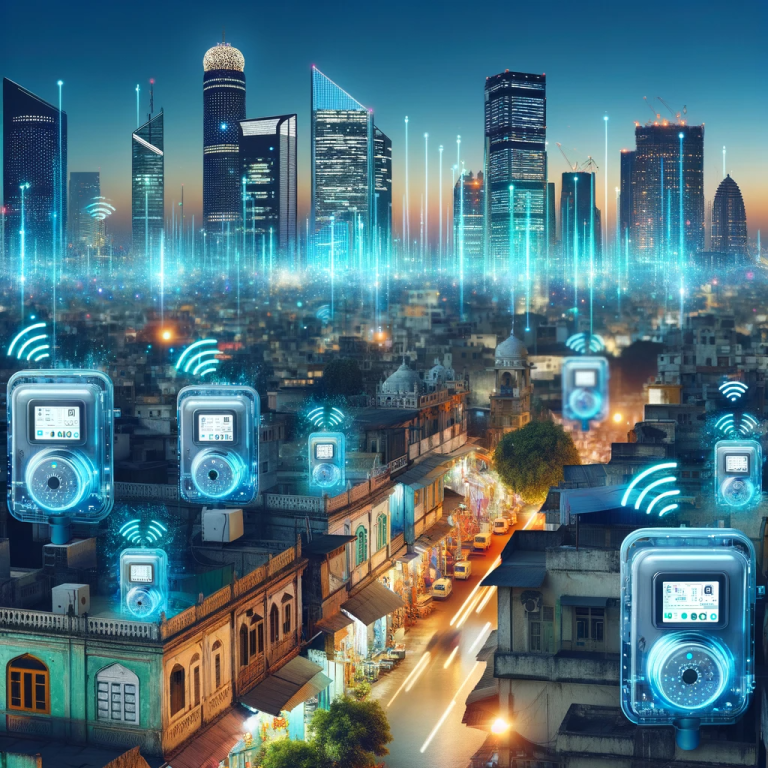
India is moving quickly to modernise its electricity distribution system through smart meters, connected devices and digital energy management.
By May 2026, around 70 million consumer smart meters had been installed under the Revamped Distribution Sector Scheme. This represents about 30 per cent of the approximately 230 million meters approved under the programme. The pace of installation has increased since 2023, supported by stronger domestic manufacturing and service-based contracts tied to deployment and operating performance.
Smart meters do more than automate billing. They give utilities access to detailed consumption data, which can improve demand forecasting, reduce losses and identify faults. They can also help manage the growing impact of rooftop solar, battery storage and electric vehicle charging.
These changes are making electricity networks more complex. Power is no longer moving in only one direction from large generators to consumers. Homes and businesses can now produce electricity, store it and change when they use it. Utilities therefore need better visibility across the distribution network.
Conventional systems often depend on gateways, access points and other communications equipment. This can increase costs and slow installation, particularly in rural areas, older neighbourhoods and large apartment buildings.
Radio frequency mesh technology offers a simpler approach. Each meter can communicate with nearby meters, allowing data to move through the network without relying on extensive additional infrastructure. New meters can strengthen coverage as they are added. If one connection fails, data may be redirected through another route.
CyanConnode Holdings plc (LON:CYAN) is a world leader in the design and development of Narrowband RF mesh networks that enable Omni Internet of Things (IoT) communications.