Fatigue failure in low-alloy steel usually starts at the surface. Repeated loading, corrosion, wear and small surface cracks can weaken a component long before the underlying steel loses its structural strength. This creates a significant maintenance and reliability challenge in oil and gas, aerospace, power generation and industrial processing.
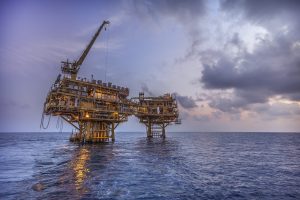
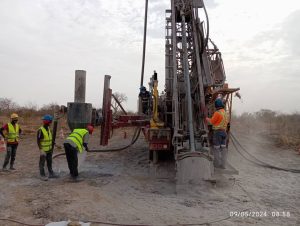
Components such as shafts, hydraulic actuators, valves, downhole tools and flow-control equipment must often withstand cyclic loading while exposed to corrosive fluids, abrasion, erosion and adhesive wear.
These conditions can reinforce each other. Corrosion creates pits and increases surface roughness. The damaged surface concentrates stress, making cracks more likely to form under repeated loading. Wear and galling can also produce local defects that accelerate the same process.
Using a harder or stronger base material does not always solve the problem. Higher hardness can improve wear resistance, but it may also increase brittleness and vulnerability to environmentally assisted cracking. This is particularly relevant in sour-service conditions involving hydrogen sulphide and hydrogen ingress.
Industry standards can also restrict the hardness of components because of the risk of sulphide stress cracking. This limits the scope for improving durability simply by selecting a stronger alloy. Surface protection can therefore offer a more practical route to extending component life while retaining the cost and structural advantages of low-alloy steel.
An effective coating must do more than provide hardness. It needs to reduce crack initiation, prevent corrosion from reaching the substrate and remain attached during repeated loading. It should also resist chipping, deformation and delamination while maintaining consistent coverage across the whole component.
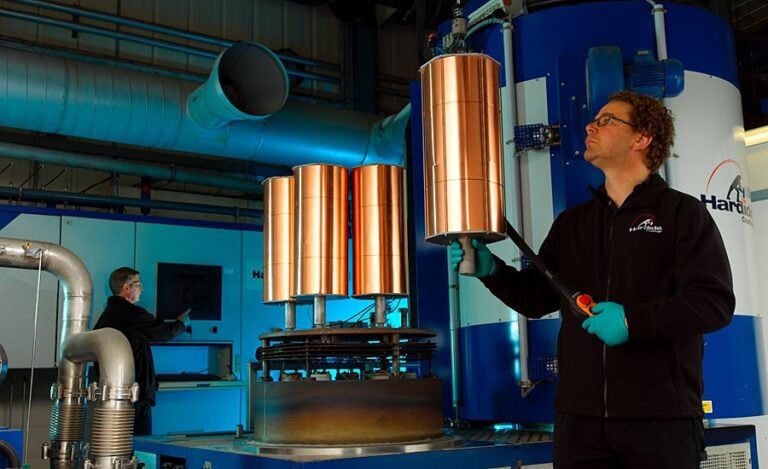
Hardide uses a low-temperature chemical vapour deposition process to apply tungsten carbide-based coatings. The coating is formed from the gas phase, creating a dense, pore-free layer with a strong metallurgical bond to the component.
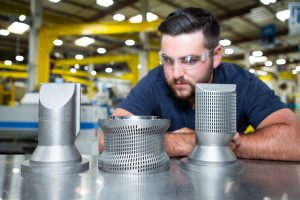
The process can coat complex shapes and internal surfaces more uniformly than line-of-sight alternatives. This allows bores, threads and recessed areas to receive protection alongside external surfaces.
Hardide plc (LON:HDD) is a pioneer in advanced tungsten/tungsten carbide CVD coatings. They showcase unmatched capabilities to greatly extend the life of complex geometry components facing extreme wear, erosion and corrosion.