Hardide has published a guide comparing material upgrades with surface coatings for industrial components exposed to wear, erosion and corrosion.
When components made from low-alloy steel fail in demanding operating conditions, replacing them with stainless steel, duplex steel or nickel-based alloys may appear to be the most straightforward solution. However, if the failure originates at the surface, upgrading the entire component material can increase costs without addressing the underlying cause.
Hardide’s guide examines when a material upgrade is necessary and when a surface coating could provide an alternative. Applying a coating can protect the component’s surface while retaining the mechanical properties and cost advantages of the original material.
The choice depends on the failure mechanism, operating environment, required performance and component design. Material upgrades may be appropriate where the base material cannot meet the required conditions, while surface treatments may be suitable when wear, erosion or corrosion is concentrated at the surface.
Replacing the base material can also introduce additional costs, longer lead times and qualification requirements. Assessing the cause of failure before selecting a solution can help engineers determine the most appropriate approach.
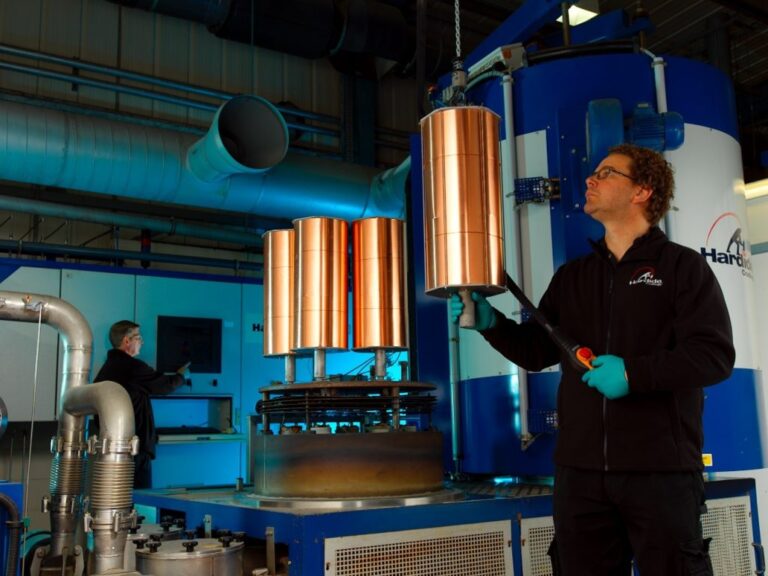
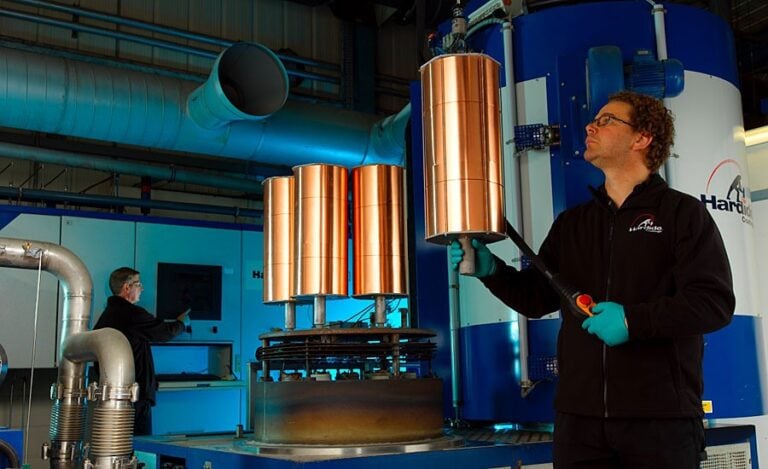
Hardide develops chemical vapour deposition coatings for industrial applications requiring resistance to wear, erosion and corrosion. The company encourages businesses facing component performance challenges to consult its engineering team when evaluating coating options.
Hardide plc (LON:HDD) is a pioneer in advanced tungsten/tungsten carbide CVD coatings. They showcase unmatched capabilities to greatly extend the life of complex geometry components facing extreme wear, erosion and corrosion.