High-velocity erosion can cause premature wear in oil and gas frac sleeves, leading to seal failure, operational disruption and increased maintenance costs. Hardide has highlighted how its advanced coatings are designed to protect these components from abrasive damage caused by high-pressure fluids carrying sand and proppant.
Frac sleeves control fluid flow during hydraulic fracturing. As abrasive particles pass through the sleeves at high speeds, they gradually wear away internal surfaces, particularly around ball seats, ports and changes in bore geometry. This can affect sealing, prevent pressure from building correctly and disrupt the intended fracturing stage.
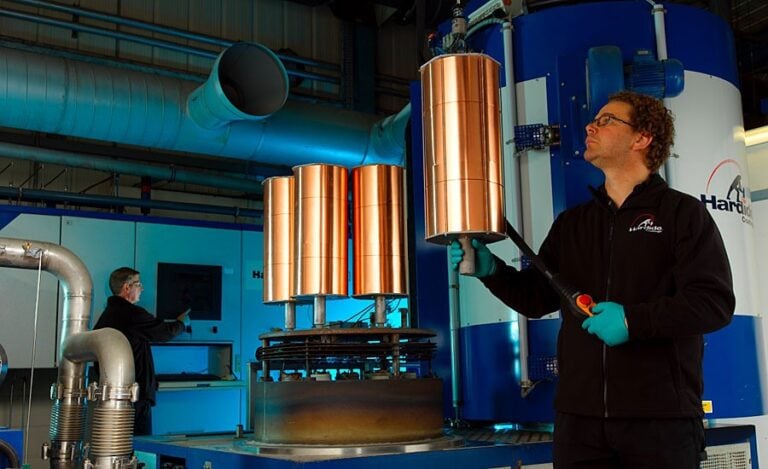
Hardide’s tungsten carbide-based coatings are designed to improve resistance to this erosion and protect critical component surfaces. Applied using a low-temperature chemical vapour deposition process, the coatings provide uniform coverage across complex geometries, helping preserve the dimensions and performance of vulnerable areas.
Extending frac sleeve service life could reduce component replacement, maintenance requirements and costly operational interruptions. With completion strings potentially containing 40 to 50 sleeves, wear across multiple components can have a wider impact on reliability and operating costs.
Hardide’s coating technology offers equipment manufacturers and operators a way to improve component durability in demanding fracturing conditions without redesigning the entire component. Performance will depend on the specific application and operating environment.
Hardide plc (LON:HDD) is a pioneer in advanced tungsten/tungsten carbide CVD coatings. They showcase unmatched capabilities to greatly extend the life of complex geometry components facing extreme wear, erosion and corrosion.