Erosion can damage the critical internal surfaces of oil and gas frac sleeves, reducing their ability to seal, isolate stages and operate reliably during hydraulic fracturing.
Frac sleeves are exposed to high-velocity flows containing abrasive materials such as sand and proppant. Over time, this can wear away surfaces including ball seats, ports and internal bores. Even relatively small changes to these areas can affect the sleeve’s performance.
Ball seat erosion is particularly significant because the seat needs to maintain its intended geometry to form an effective seal. As erosion changes the shape and dimensions of the seat, the ball may no longer seal correctly. This can result in pressure leakage and make it harder to isolate the required stage during fracturing.
Erosion can also affect the sleeve’s ability to open and close as intended. Increased wear, combined with debris and scale, can alter the internal surfaces and increase the pressure required to operate the component.
The problem can extend across an entire completion string. Operators can use dozens of sliding sleeves in a single well, meaning erosion across multiple components can have a wider effect on completion performance. Sleeves exposed to high flow rates and abrasive fluids can experience particularly significant wear.
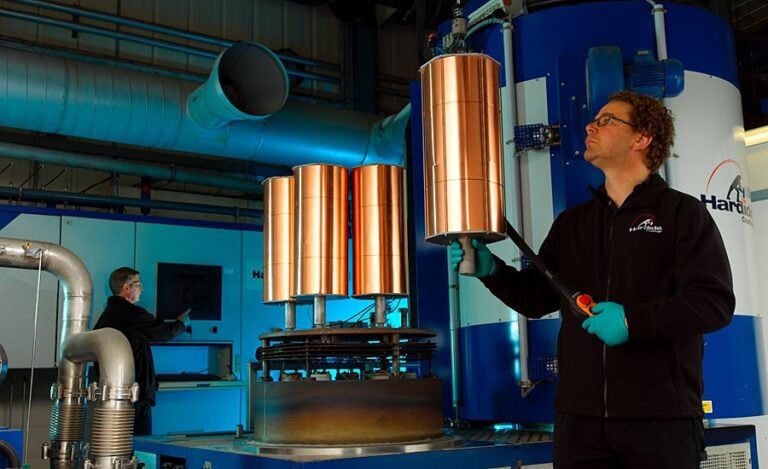
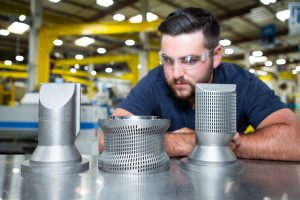
Hardide says its coating technology is designed to address this problem by protecting the surfaces most exposed to erosion. Its tungsten carbide and tungsten metal matrix coatings can be applied to areas such as ball seats, ports and internal bores.
The coatings are designed to resist erosion while maintaining the dimensions of critical components. According to Hardide, this can help frac sleeves retain their sealing and operating characteristics for longer periods.
Hardide plc (LON:HDD) is a pioneer in advanced tungsten/tungsten carbide CVD coatings. They showcase unmatched capabilities to greatly extend the life of complex geometry components facing extreme wear, erosion and corrosion.